24/7 Emergency Service

How to Choose the Most Energy-Efficient Water Heater

How to Choose the Most Energy-Efficient Water Heater - Pristine Plumbing
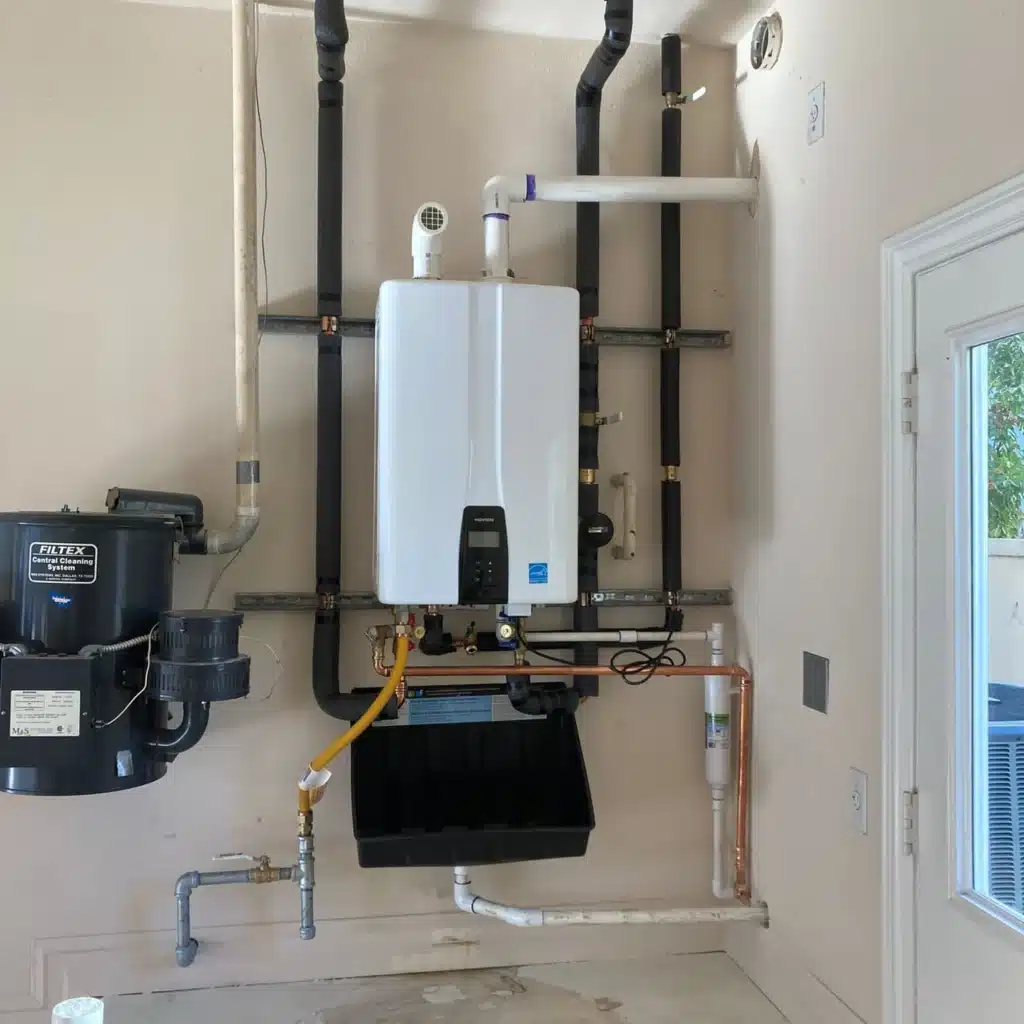
An energy-efficient water heater is a smart move for your wallet and the planet. With utility costs climbing and environmental concerns growing, finding ways to reduce energy use has never been more important. An energy-efficient water heater cuts monthly bills while helping reduce your carbon footprint. 

Whether replacing an outdated unit or choosing one for a new home, understanding the different types of water heaters and their efficiencies can make all the difference. This guide will give practical tips for selecting the perfect model for your household and lifestyle.

Energy-Efficient Water Heater Types

You probably don’t think about a water heater until it stops working—but it’s a must-have for daily tasks like showering and washing dishes. Understanding how different water heaters work can save you money and energy. From tanks to solar-powered options, each type comes with its perks. To compare the pros and cons, check out our helpful guide.

Conventional Tank Water Heaters

Conventional water heaters are the classic option. They store hot water in a tank, which can run out if your household uses too much at once. These are affordable upfront and easy to install, making them popular. Modern models feature safety valves to control pressure and temperature, keeping things secure. They can run on either electricity or gas, so you have flexibility. If you need professional help with installation or repair, Pristine Plumbing has you covered.

Tankless Water Heaters

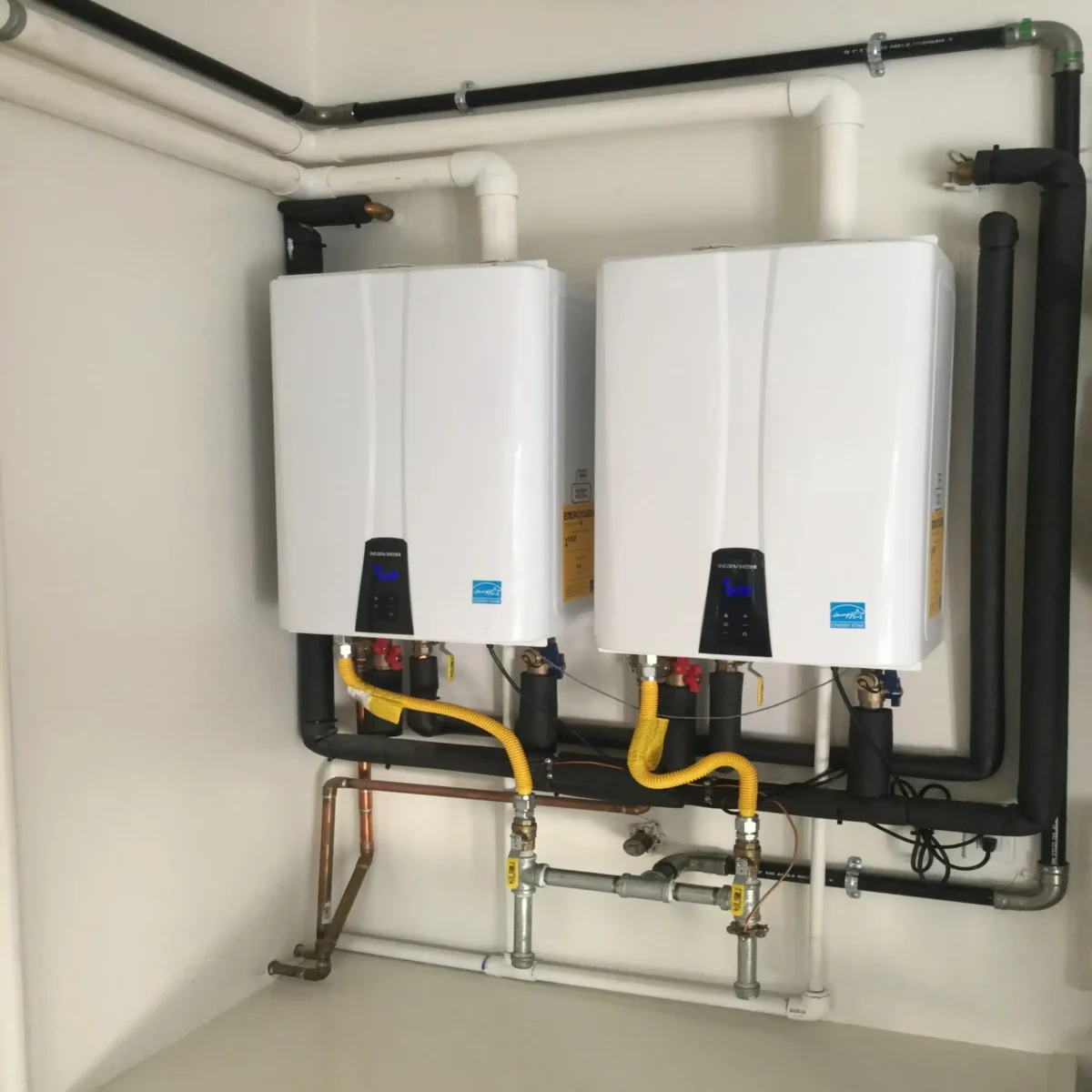
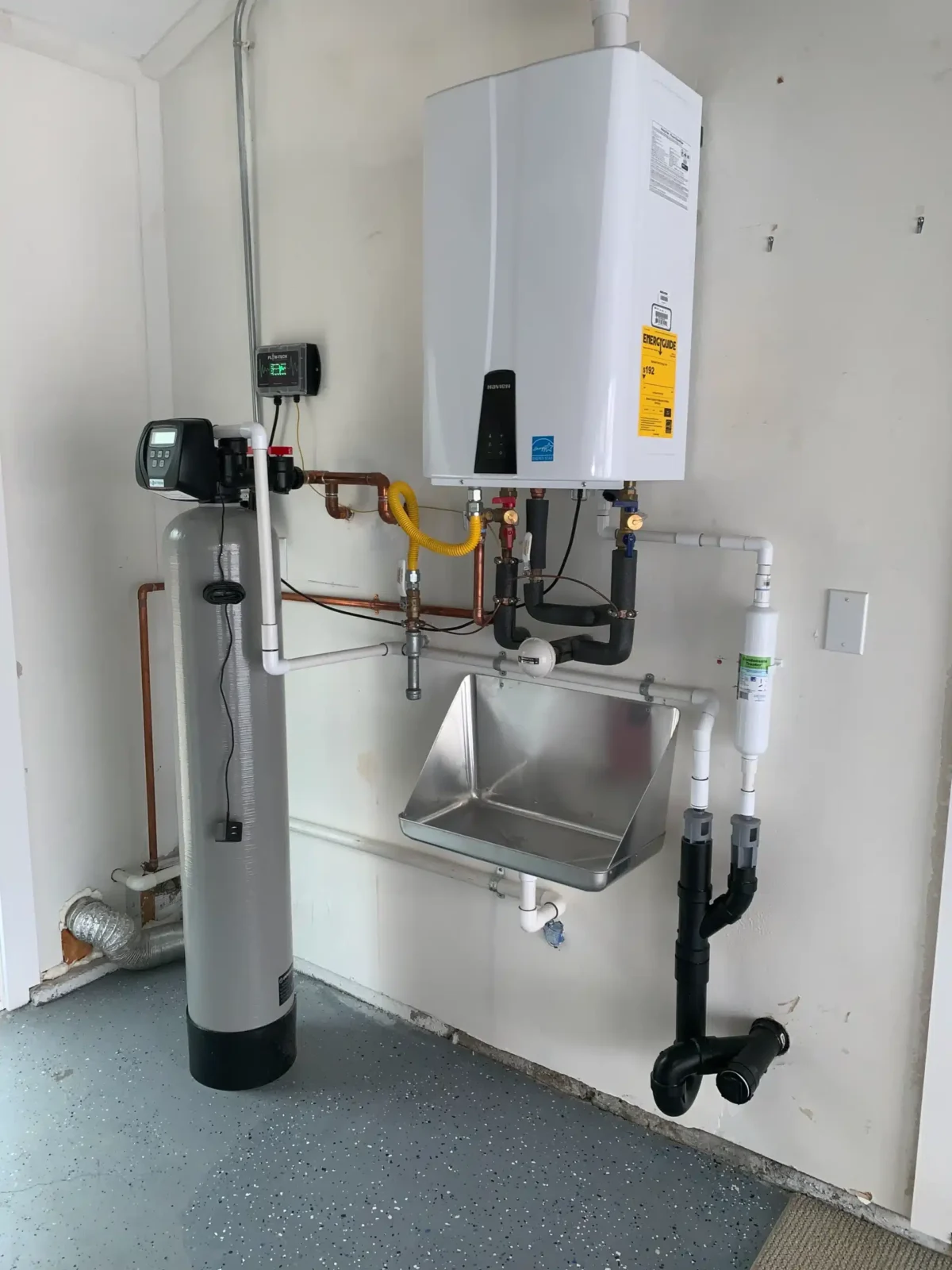
Also known as on-demand water heaters, these units heat water only when needed, eliminating standby energy loss. They are more efficient but may struggle with high simultaneous demands. If you’re thinking of switching, explore your tankless options.

Heat Pump

Sometimes referred to as hybrid models, these systems use heat from the air or ground to heat water. They use electricity to transfer heat rather than generate it, making them highly efficient for moderate climates.

Condensing Water Heaters

A condensing water heater could be a good fit if your home uses natural gas. These models use gas fumes to heat water efficiently, making them ideal for larger families with high hot water demands.

Solar or Eco-Friendly Water Heaters

Solar-powered models harness the sun’s energy to heat water, significantly reducing energy costs. While eco-friendly, they require backup systems for cloudy days and can have a higher initial cost. If you already use solar panels, this could be a perfect addition to your home.

Tips for Selecting an Energy-Efficient Water Heater

Choosing the right energy-efficient water heater can make a big difference in your monthly bills while reducing your environmental impact. Here’s how to pick the best option for your home:

  • Check Energy Ratings and Certifications: Look for models with a high Uniform Energy Factor (UEF) rating and the Energy Star certification. These indicators ensure the unit meets rigorous energy efficiency standards. A higher UEF means better performance and lower energy consumption over time.
  • Evaluate Fuel Types: Gas water heaters typically cost less to operate but require proper ventilation. Electric models are often easier to install and maintain, making them popular for areas without natural gas access. Compare energy costs in your area to determine which is more cost-effective for your home.
  • Look for Additional Energy-Saving Features: Opt for models with insulated tanks, programmable thermostats, and low standby heat loss technology. These features can significantly reduce energy usage and save money on monthly bills.
  • Choose Eco-Friendly Water Heaters: For the ultimate energy savings, consider solar-powered or heat pump water heaters. These models use renewable energy, making them ideal for environmentally conscious households.
  • Calculate Long-Term Costs: Think beyond the purchase price. Factor in operational and maintenance costs over the water heater’s lifespan to determine the best value for your money. A slightly higher upfront cost for an energy-efficient model can translate into substantial savings in the long run.

If you’re unsure, consult the pros. Pristine Plumbing offers expert advice and installation services, ensuring your water heater runs efficiently and meets all safety standards.

How to Save on Water Heater Energy Costs

Your water heater accounts for about 18% of your utility bill, making it the second-largest energy expense in your home. A few simple changes can make a big difference.

  • Quick Showers: Did you know showers use the most hot water in your home? Cutting a few minutes off your shower time can significantly lower energy costs.
  • Run Dishwasher and Laundry at Full Capacity: Maximize efficiency by running full loads. This will limit the hot water your water heater uses.
  • Turn Off the Water Heater: If you’re heading out for a few days, why heat water you won’t use? Lower the thermostat or shut it off to save energy.
  • Lower the Thermostat: Most water heaters are set at 140°F by default. Reducing it to 120°F can prevent scalding and save energy without compromising comfort.
  • Insulate: To minimize heat loss, insulate your water heater’s tank and pipes, especially if they’re located in a cooler area of your home.
  • Installation and Maintenance: A poorly installed or neglected water heater wastes energy and shortens its lifespan. Regular maintenance ensures your unit operates efficiently and safely.

Consult Pros for the Most Energy-Efficient Water Heater

Choosing the right water heater isn’t a one-size-fits-all decision. You need to think about energy efficiency, household size, budget, and even the fuel type available in your area. Whether you’re considering a tankless model for on-demand hot water, a heat pump for efficiency, or a solar-powered option to save energy, it’s vital to get expert advice. 

At Pristine Plumbing, we specialize in installing energy-efficient water heaters, ensuring safe and reliable performance. Let us help you find and install the perfect unit for your home. Schedule an appointment today.

The Pros and Cons of Different Water Heater Types


Pros and Cons of Different Water Heater Types - Pristine Plumbing

Water heaters are essential for your home’s comfort and energy efficiency. With options like traditional tank water heaters, tankless systems, and hybrid models, it’s crucial to understand the differences to make the best decision for your needs. Each type offers unique benefits, such as affordability, energy savings, or compact design, but it also has trade-offs. 

Understanding the advantages and disadvantages of various water heater types can help you confidently choose the one that best suits your lifestyle, budget, and home size.

Advantages and Disadvantages of Water Heater Types

There are several types of water heaters, each with its pros and cons. From traditional tank water heaters that store hot water for immediate use to tankless models that heat water on demand and heat pump systems that save energy by transferring heat from the air or ground, there’s a type to suit every home. 

Each option varies in capacity, energy efficiency, and installation requirements, so it’s important to consider what fits best for your home and budget.

Tank Water Heaters

Tank water heaters are the classic choice for many households. They store hot water in a large tank and keep it ready for use when needed. These heaters are usually powered by electricity or gas. When cold water enters the tank, it’s heated to your preferred temperature and held there until you’re ready to use it.

Advantages

  • Affordable to purchase and install
  • Available in various sizes to fit your home’s needs
  • Hot water is available at the touch of a tap.

Disadvantages

  • Limited hot water supply for large families or extended use
  • Life expectancy of only 10-15 years
  • Less energy-efficient due to heat loss from the tank

When installing or replacing your tank water heater, trust the experts at Pristine Plumbing to handle the job. Our professional installation ensures long-lasting performance and efficiency.

Tankless Water Heaters

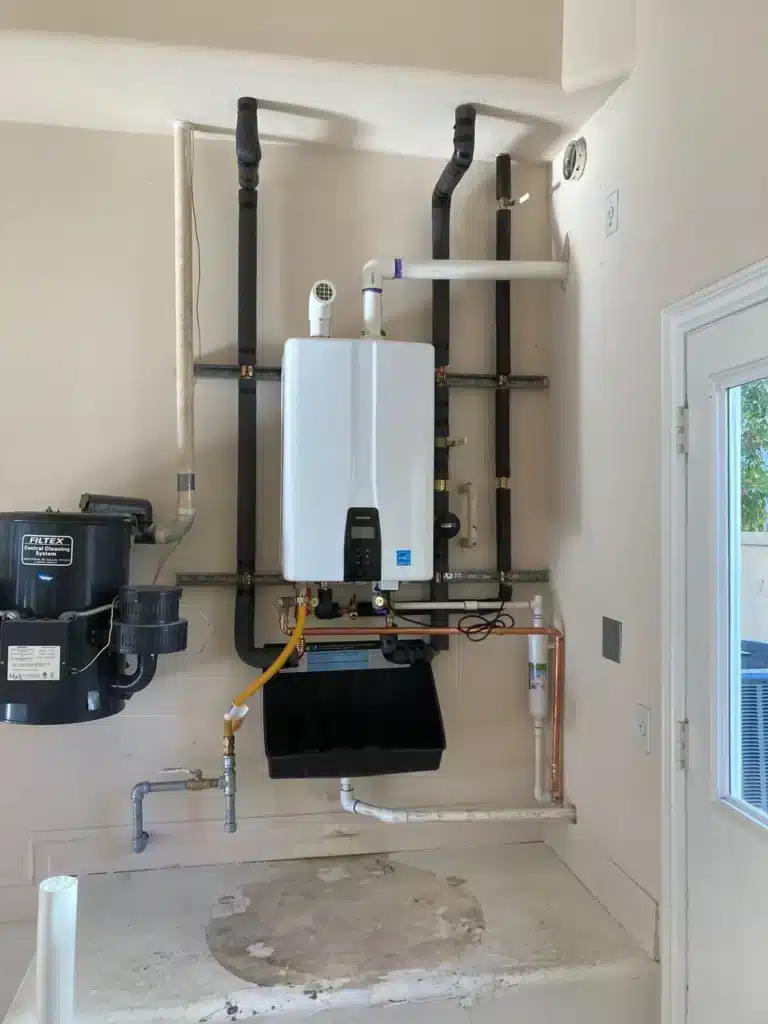
Tankless water heaters heat water directly without a bulky storage tank. These compact units instantly heat water as it flows through, providing a continuous supply without running out.

Advantages

  • Heats water instantly—never run out of hot water
  • More energy-efficient than traditional tank heaters
  • Space-saving can be mounted on the wall

Disadvantages

  • Best suited for gas-powered homes, as electric models may need expensive upgrades
  • Higher upfront cost for purchase and installation
  • Limited flow rate—not ideal for large families or multiple simultaneous water uses

At Pristine Plumbing, we specialize in installing tankless water heaters. Our expert technicians make the installation process smooth and stress-free, so you can enjoy endless hot water immediately.

Heat Pump or Hybrid Water Heaters

Heat pumps or hybrid water heaters are among the most energy-efficient options. They use a heat pump system to transfer heat from the air or ground to warm the water, rather than generating heat from electricity or gas.

Advantages

  • 60% more energy-efficient than standard electric water heaters
  • It can save you money over time with lower energy costs
  • Eco-friendly, reducing your carbon footprint

Disadvantages

  • It is not ideal for cold climates—better for warmer areas
  • Large installation space—requires up to 1,000 cubic feet
  • Expensive upfront costs

Choosing the Right Water Heater Type

Choosing the right water heater type is more than just picking the first one you see. Different types have different benefits and trade-offs, so you’ll want to evaluate your options carefully. Before deciding, consider your hot water needs, budget, space, and operating costs. What works for one home might not be your best choice, so weighing each option’s advantages and disadvantages is crucial.

Comparing Tank, Tankless, and Hybrid Water Heaters

Feature

Tank 

Tankless

Hybrid

Installation

Simple, requires space

Complex, compact retrofitting needed

Moderate, requires ventilation

Upfront Costs

$400–$1,000

$1,500–$3,000

$1,200–$3,500

Energy Efficiency

Moderate (0.50–0.70 UEF)

High (0.80–0.98 UEF)

Very High (>3.0 UEF)

Operational Costs

Higher due to heat loss

Lower due to on-demand heating

Lowest due to efficient technology

Environmental Impact

High emissions

Low emissions

Lowest emissions

Ideal For

Budget-conscious or quick replacement

Small to medium homes, limited space

Large families or eco-conscious homeowners

Pros and Cons of Electric, Gas, and Solar Water Heaters

Water heaters can also be powered by electric, gas, and solar fuels. Each fuel source has pros and cons in operating costs, installation requirements, and functionality. Understanding each water heater’s pros and cons will help you make the best choice based on your budget, energy needs, and home setup.

Electric Water Heaters

Pros:

  • Lower Upfront Costs: Electric water heaters are typically more affordable upfront in terms of purchase price and installation.
  • Safety: With no gas, electric water heaters eliminate the risk of leaks or explosions, making them safer.
  • Ease of Installation: Electric models are easy to install because they don’t require venting or gas lines.

Cons:

  • Higher Operating Costs: Electricity tends to be more expensive than natural gas, which can increase monthly utility bills.
  • Slower Heating Time: Electric heaters often take longer to heat water, especially when demand is high in larger households.
  • Limited Hot Water Supply: Traditional electric tanks may not be able to provide enough hot water for larger families or simultaneous use across multiple appliances.

Gas Water Heaters

Pros:

  • Lower Operating Costs: Gas is usually cheaper than electricity, making it a cost-effective choice for th
    ose who want to reduce their energy bills.
  • Faster Heating: Gas heaters can heat water much faster than electric ones, so you won’t have to wait long to enjoy hot water.
  • Continuous Hot Water: With tankless gas water heaters, you get endless hot water, so you’ll never run out, even with multiple people using it at once.

Cons:

  • Potential for Gas Leaks: Gas leaks can be dangerous if undetected, so regular maintenance is essential to ensure safety.
  • Environmental Impact: Burning gas releases greenhouse gases, contributing to pollution and climate change.
  • Complex Installation: Installation requires more expertise and careful adherence to building codes, making the process more complicated and costly.

Solar Water Heaters

Pros:

  • Environmental Friendliness: Solar water heaters harness renewable energy from the sun, reducing your reliance on fossil fuels and lowering your carbon footprint.
  • Long-Term Cost Savings: While installation is expensive, the long-term savings on energy bills can make solar heaters pay for themselves over time.
  • Low Maintenance: Once installed, solar water heaters require little maintenance, with occasional panel cleaning being the main task.
  • Increased Property Value: Installing a solar water heater can increase the value of your home, making it an attractive investment.

Cons:

  • High Initial Cost: The upfront cost of a solar system is higher than that of other types, but rebates and incentives are often available to help.
  • Weather Dependence: Solar heaters depend on sunlight, so cloudy days or limited sunlight can reduce efficiency. A backup heating system may be needed.
  • Space Requirements: Solar panels require ample roof space to capture enough sunlight. If your roof is shaded or small, it might not be suitable.

Partner With Water Heater Pros for Installation, Repair or Replacement

Our technicians at Pristine Plumbing have the knowledge and experience to install, repair, and replace a wide variety of water heater models, from traditional storage tanks to energy-efficient tankless systems. We follow manufacturer guidelines and industry best practices to ensure your water heater operates flawlessly and meets all safety standards. 

Whether you’re looking for an affordable storage tank system or a more energy-efficient tankless model, we’re here to provide expert service and help you choose the right solution. Contact us for professional plumbing services and hassle-free appointments.

Traditional vs. Tankless Water Heaters: Which is Right for You?

Choosing between tankless water heaters and traditional models is an important decision that affects your home’s comfort, energy efficiency, and overall costs. Finding the option that best fits your household’s needs is crucial, whether you’re looking for endless hot water, lower energy bills, or a reliable system. 

Making the correct choice means you’ll enjoy consistent comfort and long-term savings. The tankless or traditional water heater decision guide allows you to weigh the pros and cons of both systems, ensuring you choose the one that perfectly suits your lifestyle and budget.

Traditional vs. Tankless Water Heater Comparison

Choosing between tankless and tank water heaters is a big decision for any homeowner. Traditional water heaters, also called storage or tank models, store a large amount of hot water and keep it ready for immediate use. On the other hand, tankless water heaters, often known as on-demand heaters, heat water instantly as it flows through the unit, providing hot water whenever you need it—no tank required.

Which Water Heater Type is Best for Your Home?

The right water heater depends on your needs, budget, and long-term energy efficiency goals. Consider both the upfront costs and ongoing utility bills. A traditional water heater might be more economical if you have a large household or frequent hot water usage. However, a tankless water heater could be the better option if you’re focused on energy savings and don’t mind the initial investment.

Household Size Considerations

Your household size plays a significant role in deciding between a traditional or tankless water heater. For smaller households (1-3 people), a tankless water heater can handle your needs without taking up much space, providing hot water instantly. However, for larger families (4+ people), a traditional water heater might be a better fit, as it offers a bigger tank to meet the higher demand for hot water, especially if multiple people are showering or using hot water at once.

Cost Breakdown

  • Initial Costs: Traditional water heaters are typically less expensive to purchase upfront, making them an affordable choice. In contrast, tankless water heaters cost more initially due to advanced technology.
  • Operating Costs: Tankless units are more energy-efficient, heating water only when needed, saving you money on energy bills. Traditional water heaters, however, may have higher operating costs because they constantly heat water in the tank.

Installation Requirements

Installing a tankless water heater is more involved than installing a traditional unit. It may require specialized plumbing and electrical or gas connections, which could lead to higher installation costs. Traditional water heaters, on the other hand, are simpler to install. They often require fewer modifications to your home’s plumbing, making them quicker and more affordable to set up.

Efficiency and Long-Term Value

Tankless water heaters are more energy-efficient because they only heat water when needed, eliminating standby heat loss. Although traditional water heaters aren’t as energy-efficient, they can still provide reliable performance for homes with steady, high water usage. Over the long term, tankless water heaters last longer (up to 20 years or more), while traditional models typically last 10-15 years, giving you better long-term value.

Pros and Cons of Traditional vs. Tankless Water Heaters

Traditional and tankless water heaters are reliable sources of hot water in homes. Each has benefits and drawbacks, depending on your needs, household size, and lifestyle. 

Traditional Water Heaters

Pros

  • Lower Initial Cost: Traditional water heaters are generally more affordable upfront, both in purchase and installation.
  • Simplicity and Reliability: These systems have been around for decades and are known for their dependability. They’re easy to use and require little maintenance.
  • Consistent Hot Water Supply: With a large tank of hot water ready to go, these heaters provide a steady flow of hot water, even during high-demand times like multiple showers or laundry runs.
  • Easy to Replace: Most plumbers are familiar with these units, which makes replacing or repairing a traditional water heater straightforward.

Cons

  • Higher Energy Consumption: Traditional water heaters keep water heated in the tank even when it is not needed, which can lead to higher energy costs over time.
  • Limited Hot Water Supply: Once the stored hot water runs out, you’ll need to wait for the tank to refill and reheat, which can be inconvenient, especially for large families or during peak times.
  • Larger Space Requirement: These units are bulky and need a decent amount of space, which could be a challenge in smaller homes.

If you’re ready to install or replace your traditional water heater, Pristine Plumbing’s experts will ensure the job is done right. Our professional installation services guarantee optimal performance and long-lasting durability.

Tankless Water Heaters

Pros

  • Energy Efficiency: Tankless water heaters only heat water when it’s needed. This eliminates the standby heat loss associated with traditional models, helping you save on energy bills.
  • Endless Hot Water: Since they heat water on demand, you never have to worry about running out. This is perfect for households with high water usage, such as families with multiple showers or busy mornings.
  • Compact Size: These units are much smaller than traditional water heaters, so they take up less space and can be installed in tighter spots. They are great for small homes or apartments.
  • Longer Lifespan: Tankless systems can last up to 20 years or more, much longer than traditional water heaters. With proper maintenance, they are an excellent long-term investment.

Cons

  • Higher Initial Cost: Tankless heaters are more expensive upfront. While the long-term savings can offset this, the initial cost may be a hurdle.
  • Inconsistent Hot Water Flow: A tankless system might struggle to maintain a consistent temperature if multiple people use hot water simultaneously, such as when several showers or appliances are running.
  • Complex Installation: Installing a tankless water heater often requires upgrades to the plumbing or electrical systems, which increases installation time and cost.

At Pristine Plumbing, we provide expert tankless water heater installation services. Our experienced plumbers easily handle even the most complex installations, ensuring you enjoy the full benefits of your new system.

Pristine Plumbing: Tailored Solutions for Your Water Heater Needs

Our plumbers bring extensive experience installing various water heater systems, ensuring optimal performance and longevity. We strictly follow
manufacturer guidelines and industry best practices for every installation, guaranteeing your system meets all safety standards. 

We take the time to understand your unique needs and recommend the perfect water heater system for your lifestyle and budget. Contact us today to schedule an appointment or to learn more about our plumbing solutions.

Common Water Heater Problems and How to Fix Them

Ignoring common water heater problems can lead to cold showers, water damage, and skyrocketing repair costs. What starts as a minor issue—like a dripping valve or inconsistent water temperature—can quickly spiral into a major disaster if left unchecked. You don’t want to be caught in the middle of a chilly morning with a malfunctioning heater or face expensive repairs due to neglect. 

By identifying and addressing these issues early, you can save yourself time, stress, and money. We’ll show you how to spot warning signs and provide actionable tips to keep your water heater running smoothly.

Common Water Heater Problems and Solutions

Water heater issues can sneak up on you, and if you ignore them, they can quickly turn into expensive repairs. A small leak, a strange noise, or a sudden loss of hot water might not seem like a big deal at first, but if left unaddressed, these problems can lead to severe damage and even costly replacements.

Here’s a quick look at some common water heater issues and solutions homeowners face:

  • Water Heater Leaks: Leaks can occur from worn-out valves, loose connections, or a damaged tank. Even a tiny leak can lead to severe water damage. Tighten any loose connections, replace faulty valves, or call a professional if the tank is compromised.
  • Inconsistent Water Temperatures: If your water fluctuates between hot and cold, it could be caused by a faulty thermostat or sediment buildup. Adjust the thermostat or flush the tank to remove sediment.
  • No Hot Water: A sudden lack of hot water could be due to a tripped circuit breaker, a malfunctioning heating element, or a gas supply issue. Reset the breaker, check the heating element, or inspect the gas supply to get things back on track.
  • Strange Noises: Popping or rumbling sounds are often caused by sediment buildup inside the tank. Flush the tank to remove sediment or replace the heating element if necessary.
  • Low Water Pressure: Mineral buildup or clogged pipes may restrict water flow. Clean or replace filters, and check the water pressure to ensure proper flow.
  • Discolored Water: Rusty or murky water may signal corrosion inside the tank or a failing anode rod. Replace the anode rod and consider professional repairs to address any rust buildup.
  • Water Too Hot: The thermostat may be incorrectly set if your water is dangerously hot. Adjust the thermostat to a safer setting, ideally around 120°F, to prevent overheating and save energy.

Addressing these common water heater problems early can prevent more extensive issues, which can save time and money in the long run.

Fixing Water Heater Leaks, Noises, and Temperature Issues

To fix water heater leaks, check and tighten connections around the drain and temperature-pressure relief (T&P) valves. If the T&P valve is damaged, it may need to be replaced. However, if the leak comes from the tank, you’ll likely need a professional to assess the situation.

Sediment buildup is usually the cause of persistent noises. Flushing the tank can help reduce noise, but if the heating element is the source, it might need replacing. If you’re dealing with inconsistent water temperatures, adjust the thermostat to around 120°F. You can also test the heating elements with a multimeter for continuity—if they’re faulty, it’s time for a replacement.

DIY Water Heater Repair Tips

While some water heater repairs are easy to handle, taking proper safety precautions and using the right tools is essential. Here are some DIY water heater repair tips you can try at home:

Resetting the Water Heater 

If your water heater isn’t heating, try resetting the thermostat or circuit breaker. Sometimes, a simple reset can fix minor issues like a tripped breaker, especially after a power surge.

Flushing the Tank

Sediment build-up can affect your water heater’s efficiency. To flush the tank:

  • Turn off the power and water supply.
  • Attach a hose to the drain valve and direct it to a drain or outside.
  • Open the valve and let the water run until it’s clear.
  • Close the valve and refill the tank. This will help remove sediment and improve heating performance.

Replacing the Anode Rod

The anode rod protects your tank from corrosion. If it’s worn down, replace it:

  • Locate the anode rod (usually on top of the tank).
  • Use a socket wrench to remove it and replace it with a new one. Regular replacement can extend your tank’s lifespan.

Fixing a Leaky Drain Valve

If the drain valve is leaking, tighten it with a wrench. If that doesn’t work, replace it with a new valve to prevent further leaks.

Insulating the Tank

Adding a water heater blanket can keep heat in, reduce energy bills, and improve the heater’s efficiency. Simply wrap it around the tank, avoiding covering vents or controls.

Inspecting and Replacing Gaskets

Check electric heaters for damaged gaskets around the heating elements. If worn, replace them to prevent leaks and ensure proper heating.

While these fixes are manageable, don’t try to tackle complex repairs like replacing heating elements, addressing gas leaks, or handling electrical issues on your own. Always call a professional for these tasks to ensure compliance with safety standards and avoid further damage.

Water Heater Maintenance for Common Problems

Nobody likes the surprise of a cold shower or dealing with an unexpected water heater breakdown. By taking a few simple, proactive steps to maintain your water heater, you can avoid these hassles, save energy, and extend the life of your unit. 

Here’s how you can keep your water heater in top shape:

  • Visual Check: Regularly inspect your water heater for signs of rust, leaks, or any other damage. Check around the base and on the floor for any puddles of water.
  • Temperature and Pressure Relief Valve: The T&P valve should be tested annually. It prevents dangerous pressure build-up in the tank. To test it, lift the lever on the valve. If a small amount of water is released, it works properly.
  • Maintain Proper Water Pressure: Too much water pressure can cause leaks and stress the tank. Consider installing a pressure-reducing valve if your home’s water pressure is consistently high.
  • Check the Pilot Light (Gas Water Heaters): If you have a gas water heater, ensure the pilot light is lit and the flame is blue. A yellow or flickering flame is a sign of a problem, and you should call a professional.
  • Clean the Water Filters: Dirty filters can restrict water flow. Clean or replace them as needed to ensure proper water circulation.
  • Check for Rust and Corrosion on the Tank: Look for rust spots or discolored water on the tank. Rust inside or outside the tank can lead to leaks, so addressing it early can prevent more significant issues down the road.

These simple steps will giv
e you peace of mind and help keep your water heater running smoothly. However, if you’re uncomfortable with maintenance or need more extensive repairs, Pristine Plumbing is here to help. Our team of certified technicians has the expertise and tools to keep your water heater in top condition.

Trust Experts for Troubleshooting Water Heater Problems

At Pristine Plumbing, our certified technicians have years of experience troubleshooting and repairing a wide range of common water heater problems. We understand how inconvenient a malfunctioning water heater can be, so we offer prompt, efficient service. 

We ensure that your repairs are long-lasting and reliable using high-quality parts and industry-standard techniques. We’ll assess it and provide a detailed estimate for repairs. Contact us today for a professional appointment.

Why is My Water Heater Leaking?

A water heater leak might initially seem like a minor problem, but it can quickly escalate into a major inconvenience and costly repairs. Whether it’s the risk of water damage to your home or the hassle of losing hot water, ignoring the issue can leave you with significant headaches. If you notice even a small puddle around your water heater, it’s time to take action before it becomes a bigger problem. 

We’ll help you identify the signs of trouble, understand the causes of the leaks, and provide practical tips to prevent further damage. This will keep your home safe and your water heater running smoothly.

Common Causes of a Water Heater Leaking

A water heater leak can stem from several issues, and knowing what to look for can help you avoid expensive repairs and extend the life of your appliance. Let’s take a look at some of the most common culprits:

  • Corrosion of the Tank: Water exposure can cause rust and corrosion over time, especially in older tanks. The lining of your water heater can wear down, leading to leaks. If you have an older unit, you’ll want to watch it closely.
  • Loose or Faulty Connections: The connections between your water heater and the water lines can loosen over time. Worn-out valves, fittings, or hoses might cause water to seep out. It’s a good idea to check these connections periodically to prevent leaks.
  • High Water Pressure: Excessive pressure inside the tank stresses the seals and joints, causing leaks. If you notice noisy pipes or inconsistent water flow, it might be a sign that the pressure is too high. A pressure-reducing valve can help regulate the pressure and protect your tank.
  • Cracks in the Tank: The water heater’s constant heating and cooling cycles can cause small fractures in the tank. These micro-cracks can slowly lead to leaks. Regular inspections can help catch these issues before they cause severe damage.
  • Drain Valve Issues: The drain valve at the bottom of the tank flushes out sediment, but it can become loose or damaged over time. Even a tiny leak from this valve can grow bigger if left unaddressed. Tightening the valve after maintenance can prevent problems.
  • Sediment Build-Up: If you live in an area with hard water, sediment can accumulate inside the tank. This buildup weakens the tank’s interior, making it more susceptible to leaks. Flushing your water heater once a year can help avoid this issue.
  • Aging Water Heater: Everything has a shelf life, and your water heater is no different. As it ages, wear and tear increase the chances of leaks. If your unit is over 10 years old, it might be time to consider a replacement.

Addressing potential issues early can prevent significant leaks and extend the lifespan of your water heater. Regular maintenance and inspections are key to keeping things running smoothly!

Water Heater Maintenance Tips and Best Practices

Regular maintenance is the key to preventing leaks, boosting efficiency, and extending the life of your water heater. By keeping your system in good shape, you’ll avoid costly repairs and save on energy bills. Here’s how you can stay on top of things:

  • Timely Drain Valve Repair: A functional drain valve is essential for flushing sediment and debris from the bottom of your tank. Check for leaks or drips around the drain valve, and tighten or replace it if necessary. This small step can prevent more significant issues later.
  • Flush the Tank Annually: Sediment buildup at the bottom of the tank reduces efficiency and can lead to leaks. Flushing the tank once a year removes the debris, improves performance, and helps prevent costly damage.
  • Replace Anode Rods: The anode rod helps prevent rust and corrosion inside the tank. To keep your water heater in top shape, inspect it every two years and replace it if it’s significantly corroded.
  • Check for Rust and Corrosion on the Tank: Look for rust on the tank’s exterior or any discoloration in the water. Catching minor rust spots early can prevent major leaks and extend the lifespan of your water heater.
  • Test the Pressure Relief Valve (PRV): The PRV prevents excessive pressure buildup inside the tank. Make sure it’s working correctly. If it’s faulty, replace it immediately to avoid damaging the tank.
  • Adjust the Thermostat to Prevent Overheating: Set the thermostat to 120°F (49°C) for optimal performance. Setting it too high can create extra pressure, which increases the risk of leaks. Keeping it at a safe temperature can also help lower your energy bills.
  • Insulate the Tank and Pipes: Insulating your water heater and the connecting pipes can improve efficiency and reduce the chances of condensation that can lead to leaks. Use quality insulation and follow the manufacturer’s guidelines for best results.
  • Professional Storage Tank Repair: Regularly check the tank for cracks or physical damage. If you find any, consider calling a professional for repairs. Timely repairs prevent leaks and extend the life of your water heater.
  • Schedule Annual Maintenance: A licensed technician can detect hidden issues, ensure all parts function correctly, and perform necessary repairs or replacements. Annual professional maintenance maximizes efficiency and helps avoid unexpected breakdowns.

These steps will help you avoid the inconvenience of a leaking water heater and ensure your system works efficiently for years. If you’re not sure where to start or need help with any of these maintenance tasks, Pristine Plumbing can help. Our expert technicians can perform a full inspection and ensure your water heater stays in top shape.

Pristine Plumbing: Tank and Tankless Water Heater Repair Pros

Pristine Plumbing specializes in top-quality repair and maintenance services for traditional and modern tankless water heaters. Our certified professionals have years of experience handling various water heater issues. We understand the importance of having hot water running smoothly in your home, so we prioritize your convenience with timely service. 

Whether you need a routine check-up or an urgent emergency, we’re available 24/7 to handle your needs quickly and efficiently. Contact us today for reliable water heater repairs or maintenance.

Do Water Filtration Systems Require Maintenance?

Water Filtration Systems Maintenance - Pristine Plumbing

Your water filtration system is the gatekeeper to pure, contaminant-free water—ensuring that every drop you drink is as clean and healthy as possible. However, for all its importance, water filtration maintenance is often overlooked. Like any high-functioning system, your filter needs regular attention to stay in top form. 

Staying on top of maintenance is crucial, from knowing when to replace filters to understanding everyday upkeep tasks. Following a few simple tips will maximize your system’s performance and longevity without breaking the bank. With just a little effort, you can keep your water clean and your system running smoothly.

Do I Need to Service My Water Filter?

Absolutely! Servicing your water filter is essential to maintaining its effectiveness and protecting your home’s water quality. Over time, filters become clogged with contaminants, reducing their ability to provide clean water. Regular maintenance ensures your system performs optimally, extends lifespan, and safeguards your household’s health. 

Whether you have a reverse osmosis system or a standard carbon filter, each type requires specific care to continue working effectively. Ignoring maintenance can lead to reduced water quality and costly repairs—making it crucial to prioritize regular servicing.

Common Water Filter Maintenance Tasks

Upkeep of the water filtration system doesn’t have to be complicated. Here are a few common tasks that should be done regularly to keep everything running smoothly:

  • Replace the Filters: Most systems use cartridges or membranes that need regular replacement. Carbon filters should be replaced every 6–12 months, while reverse osmosis membranes last about 2–3 years. Skipping replacements can lead to clogs and reduced efficiency.
  • Clean the System Components: Over time, housings, faucets, and storage tanks can accumulate bacteria or mineral buildup. Regular cleaning ensures these components stay hygienic and function smoothly, keeping your water fresh and clean.
  • Sanitize the System: Some systems, like reverse osmosis filters, benefit from occasional sanitization. A food-safe cleaning solution every 6–12 months helps eliminate bacteria and keeps the water tasting pure.
  • Check for Leaks or Wear: Inspect hoses, seals, and connections for signs of wear or leaks. Catching minor issues early can prevent water damage or costly repairs later.
  • Replace Pre-Filters and Post-Filters: Systems with multiple filtration stages often require pre-filters (to remove sediment) and post-filters (to polish the water) to be replaced on schedule. This ensures that every stage of filtration is working as intended.

Refer to the manufacturer’s guidelines for specifics on your system, or consult a professional if you have a more complex setup, such as reverse osmosis. Keeping up with these tasks ensures your water filtration system works efficiently, providing clean, safe water.

How Often to Maintain Water Filtration Systems?

Regular maintenance is the key to ensuring your water filtration system provides fresh, clean water. By adhering to a maintenance routine, you improve water quality and prevent expensive repairs or replacements later. The small effort you put in now will keep your system running efficiently for years.

Frequency of Maintenance

A regular maintenance schedule is essential for reverse osmosis (RO) systems. Depending on your usage and water quality, you should replace the filters every 6-12 months. The membrane, the heart of the reverse osmosis system, typically needs replacing every 2-5 years. However, these timelines can vary depending on how much water your household uses and the quality of the incoming water. If you’re using your filter heavily, you might need to replace parts sooner.

Neglecting your system’s maintenance can reduce water quality as filters become saturated or clogged. This added strain can shorten the lifespan of your system, and worse, it could lead to contamination, affecting the entire filtration process. By sticking to a maintenance schedule, you’ll keep your system running efficiently, saving you from costly repairs or replacements.

Signs a Water Filtration System Needs Service

If you notice any of these signs, it might be time to service your water filtration system:

  • Change in Taste or Odor: The filter could be saturated or contaminated if your water starts to taste or smell off.
  • Reduced Water Flow: Decreased or slower water pressure may indicate a clogged filter.
  • Cloudy or Discolored Water: If your water looks murky or discolored, your filtration isn’t working correctly.
  • Frequent Tank Refills: The membrane might need replacing if your storage tank isn’t holding enough water.
  • Unusual Noises from the System: Gurgling or strange noises could be caused by blockages or trapped air in the system.
  • Leaks or Drips: If you spot water around the system, it might be due to worn-out seals or physical damage.
  • Past Maintenance Due Date: Even if everything seems fine, it is crucial to follow your maintenance schedule to avoid hidden problems.

Keeping a maintenance log will help you track filter changes and inspections to ensure everything stays on track. If you notice any of these signs, it’s time to take action—whether that’s scheduling maintenance or contacting a professional for help.

Water Filtration System Maintenance Tips

Every water filtration system has its own maintenance needs, so following the guidelines specific to your system is essential. For example, reverse osmosis (RO) filters are highly effective but complex and require extra attention. Proper maintenance keeps your system running smoothly and ensures clean, safe water.

Here are some easy-to-follow maintenance tips:

  • Regular Filter Replacement: Replacing your filters according to the manufacturer’s guidelines (usually every 6-12 months for reverse osmosis systems) ensures they remove contaminants. Delaying replacement can decrease water quality and cause filter clogs.
  • Inspect for Leaks: Check your system for any visible leaks regularly. Leaks can signal worn-out parts or improper installation, which could reduce the system’s efficiency or cause water damage over time.
  • Sanitize the System Annually: Give your system a deep clean once a year to eliminate bacterial buildup, especially for reverse osmosis systems with storage tanks. A sanitized system works better and keeps your water tasting fresh.
  • Monitor Water Pressure: Monitor your water pressure. Too much or too little pressure can damage the system and its components. You should invest in a pressure gauge or regulator to maintain optimal pressure.
  • Flush the Membrane: Reverse osmosis systems have a membrane that needs to be flushed periodically. Flushing removes contaminants that can build up and extend the membrane’s life.
  • Check O-rings and Connections: Inspect the O-rings, seals, and connectors for wear and tear. These small parts are essential for keeping your system airtight and leak-free. Learn more about the pros and cons of hydro jetting to see if it’s the right fit for your home’s plumbing needs.
  • Test Water Quality: Regularly testing your water quality ensures that your filtration system works properly. You can use an at-home test kit or hire a professional for more thorough testing.

Following these simple tips will keep your water filtration system running smoothly, ensuring the best water quality for you and your family.

DIY Water Filtration Maintenance vs Professional

When it comes to maintaining your water filtration system, you have two options: DIY or professional services. While DIY can save money, professional maintenance offers expert care and long-term benefits.

DIY Maintenance

If you’re handy and enjoy home upkeep, DIY water filtration maintenance is cost-effective. Tasks like replacing filters and performing basic inspections are straightforward and can save money. However, it requires the right tools, time, and some basic knowledge of how your system works.

Professional Maintenance

On the other hand, professional services offer peace of mind. Experts can handle complex tasks, like checking hard-to-reach components or diagnosing more advanced issues. Professionals are invaluable for reverse osmosis (RO) systems, where a small mistake can affect water quality. Professional care also extends the life of your system and ensures it’s running at peak performance.

Ultimately, DIY saves you money upfront, but professional help ensures your system’s longevity and optimal performance.

Water Filtration Upkeep Costs

Water filtration maintenance costs vary depending on the system and the type of service required. Here are some general cost estimates:

Point-of-Use Filters

  • Filter replacements: $50-$100 per year or more
  • Installation: DIY or professional

Whole-House Systems

  • Filter replacements: $100-$500 per year
  • Professional maintenance: $100-$200 per year
  • Potential repairs: Varies based on the issue

Reverse Osmosis (RO) Systems

  • Membrane replacement: $100-$200 every 2-3 years
  • Filter replacements: $50-$100 per year
  • Regular cleaning: DIY or professional service

Cost Comparison

System Type

Annual Upkeep Costs

Point-of-Use Filters

$50-$100 for filters; DIY or pro install

Whole-House Systems

$100-$500 for filters; $100-$200 for inspections

RO Systems

$100-$200 for membranes; $50-$100 for filters

Knowing the costs upfront makes it easier to plan and maintain your system without breaking the bank.

Keep Your Water Filtration System in Pristine Condition

At Pristine Plumbing, our certified plumbers have years of experience maintaining and servicing water filtration systems. We use advanced tools and techniques to ensure your system gets the precise and efficient care it needs. We understand how important clean, fresh water is for your home, which is why customer satisfaction is our top priority. Our experts will assess your system’s needs and provide tailored solutions to keep it running smoothly for years.

We offer comprehensive water filtration services, from installation to routine maintenance and repairs. Whether you need a simple filter replacement or a system check-up, we’ve got you covered. Do you need help maintaining your water filtration system? Contact Pristine Plumbing today to schedule a service or get expert advice.

What is a Reverse Osmosis Filter?

A reverse osmosis (RO) filter is a highly effective water filtration system that removes impurities, contaminants, and toxins from water. It uses a semi-permeable membrane that allows only water molecules to pass through while leaving unwanted particles behind. 

By forcing water through this special membrane under pressure, the RO filter eliminates harmful substances like heavy metals, salts, and bacteria, leaving your home with cleaner, safer, and better-tasting water.

How Does a Reverse Osmosis Filter Work?

Reverse osmosis works by pushing water through a semi-permeable membrane under high pressure. Here’s what happens step-by-step:

  • Pre-Filtration: The water passes through pre-filters to remove larger particles like sediment and chlorine.
  • Reverse Osmosis: Water is then forced through the membrane, which filters out contaminants as small as 0.0001 microns.
  • Post-Filtration: After purification, the water goes through a final filter to improve taste and quality.

The system often includes multiple stages to ensure thorough filtration. At the end of the process, water is free from impurities and safer for drinking and cooking.

Benefits of Reverse Osmosis Filtration

Why choose reverse osmosis over other filtration methods? Here’s a breakdown of its advantages:

  • Removes Contaminants: Reverse osmosis is incredibly effective at eliminating a wide range of harmful substances, including lead, arsenic, and nitrates, ensuring your water is safe to drink.
  • Drinking Water Quality with Reverse Osmosis: The system removes substances like chlorine and sulfur that can affect the taste and smell of water, giving you crisp, clean water every time.
  • Health Benefits: Access to pure water can improve overall health by reducing exposure to potential toxins.
  • Environmentally Friendly: By opting for a reverse osmosis system, you can reduce reliance on plastic bottled water, which helps minimize environmental waste.
  • Convenience and Cost-Effectiveness: Though the initial setup might require an investment, reverse osmosis systems save you money in the long run by eliminating the need for bottled water.
  • Versatility: From household drinking water to cooking and even uses like aquariums or hydroponics, reverse osmosis systems are versatile solutions for clean water.

Reverse osmosis systems bring versatility, convenience, and peace of mind to your home, ensuring you always have access to high-quality water.

Is Reverse Osmosis Right for My Home?

Before deciding on a reverse osmosis system, consider the following factors:

  • Water Quality in Your Area: What’s in your tap water? A reverse osmosis system can make a big difference if your area’s water is known for high contaminants like lead, nitrates, or chlorine. If unsure, check your local water quality report or consider testing your water. Knowing what’s in your water helps you understand whether you need the powerful filtration reverse osmosis offers.
  • Filter Effectiveness: Reverse osmosis systems are excellent at removing harmful substances but strip out minerals like calcium and magnesium. While this isn’t a problem for most people, it might be worth considering if you’re particularly health-conscious about your water’s mineral content. If this concerns you, you can pair your reverse osmosis system with a mineral filter to reintroduce the good stuff.
  • Household Water Usage: How much water does your family use? Reverse osmosis systems work best for smaller to medium-sized households because filtration takes time and can slow the flow rate. If you have a big family or high water demand, the system might be less convenient or require additional storage tanks.
  • Cost Considerations: Installing a reverse osmosis system involves an upfront cost, and regular maintenance is also essential—filters need replacing, and the system wastes some water during filtration. Weigh these costs against your budget and the benefits of having pure, clean water at your fingertips.

Reverse Osmosis vs Other Water Filters

Not sure if reverse osmosis is your best option? Explore the key differences between systems in our full guide on Water Filter vs Purifier. Here’s a quick comparison:

  • Activated Carbon Filters: Great for improving taste and odor but don’t remove as many contaminants as RO.

  • Distillation: Thorough but slow and energy-intensive.

  • UV Filtration: Excellent for killing bacteria and viruses but doesn’t eliminate chemicals or heavy metals like RO does.

Reverse osmosis provides more comprehensive protection, making it a great fit for homes with multiple water quality concerns.

Reverse Osmosis vs. Activated Carbon Filters

Reverse osmosis filters are like heavy-duty cleaners in the water filtration world. They remove many contaminants, including heavy metals, salts, and microorganisms. Activated carbon filters, on the other hand, excel at improving taste and odor by removing chlorine and organic compounds. They’re low-maintenance and cost-effective but less thorough than RO filters when purifying water.

Reverse Osmosis vs. Distillation

When speed and energy efficiency matter, reverse osmosis wins hands down. Distillation is highly effective at removing contaminants, including heavy metals and salts, but it’s slow and energy-intensive. Reverse osmosis gives you purified water faster and with fewer energy demands.

Reverse Osmosis vs. UV Filtration

Reverse osmosis offers comprehensive water purification, removing everything from bacteria to heavy metals. UV filtration is excellent for killing bacteria, viruses, and other pathogens without chemicals or water waste, but it doesn’t remove sediments, chemicals, or heavy metals. Reverse osmosis provides a more complete solution if your water source contains more than biological contaminants.

Choosing the best filtration system for your home isn’t a one-size-fits-all decision. With a reverse osmosis filter explained by experts, you can better understand your specific needs, water quality, and budget. At Pristine Plumbing, we’re here to guide you through the process. Our experts specialize in tailored water filtration solutions to ensure your home gets the cleanest, safest water possible.

Reverse Osmosis Filter Installation Guide

Installing a reverse osmosis (RO) system requires precision and attention to detail to ensure the best results. While it might be tempting to take the DIY route, professional installation guarantees everything works as it should, providing you and your family with the highest quality water. Here’s what you need to know about the key installation requirements:

  • Water Supply: Your reverse osmosis system needs a steady connection to the cold water line. This often involves adding a dedicated faucet for dispensing the purified water.
  • Drain Connection: Reverse osmosis systems produce wastewater as part of the filtration process. A secure, leak-free connection to the drain line is crucial to avoid water damage and ensure proper disposal.
  • Space Considerations: The unit will need space under your sink or in a designated spot. It’s important to have room for the filtration system and easy access for main
    tenance, such as filter replacement.
  • Water Pressure: These systems require a minimum water pressure to work effectively. If your home’s water pressure is too low, a booster pump or regulator might be needed for optimal performance.
  • System Components: Installation involves multiple parts, including the filter, storage tank, faucet, and tubing. Ensuring these are high-quality and correctly fitted is critical to avoid issues down the line.

At Pristine Plumbing, our expert installers are skilled at handling all these complexities, ensuring your reverse osmosis system operates flawlessly. We also offer flexible financing options to help make the installation more affordable.

Why Choose Pristine Plumbing?

At Pristine Plumbing, we bring years of experience installing reverse osmosis systems and other water filtration solutions. We take the time to recommend the perfect system for your home based on your water quality and household size. With a 100% customer satisfaction track record, we’re proud to be the trusted choice for many families. Don’t just take our word for it—check out our customer reviews to see how we’ve helped others.

Ready to control your water quality? Start by testing your water and consulting our professionals. Schedule an appointment today for expert advice and solutions that perfectly suit your home.

Benefits of a Whole Home Water Filter

Benefits of a Whole Home Water Filter - Pristine Plumbing

Clean and safe water is a priority for every household. A whole home water filter ensures that the water flowing through every tap, shower, and appliance in your home is pure, enhancing your family’s health and protecting your home’s infrastructure. 

The benefits are undeniable, from improving water quality to creating a safer environment for your loved ones. Whether you compare whole-home water filtration to point-of-use systems or seek a cost-effective solution, understanding these options can help you make the best choice for your needs and budget.

Why Install a Whole House Water Filter?

Water is central to our lives—from drinking and cooking to bathing and cleaning. But is the water flowing through your home as clean as it should be? Contaminated water can harm your health, causing skin irritation or even introducing harmful chemicals into your body. It can also damage your home, leading to limescale buildup, clogged pipes, and worn-out appliances. 

A whole-home water filter ensures clean, safe water everywhere, protecting your family and property.

Whole Home Water Filter Benefits

A whole-home water filter is one of the smartest upgrades you can make for your household. It improves water quality, delivers health benefits, saves money, and enhances convenience. 

Advantages of whole house water filtration:

  • Cleaner, Safer Drinking Water: Say goodbye to harmful contaminants like chlorine, lead, and pesticides in your water. A whole-house system ensures every sip is clean, safe, and tastes great, whether from your kitchen faucet or bathroom sink.
  • Health Benefits of Whole Home Water Filters: Filtering out chemicals and heavy metals means no more skin irritation after a shower or brittle hair that feels lifeless. Plus, it removes harmful bacteria, viruses, and VOCs, creating a healthier living environment for your family.
  • Lower Maintenance Costs: Hard water builds up minerals that clog pipes, strain appliances, and increase wear and tear. A filtration system will require fewer repairs and replacements, saving you time and money.
  • Environmentally Friendly: Filtered tap water reduces the need for plastic bottles, reducing waste. It’s a simple way to make your home more eco-conscious while saving on bottled water costs.
  • Protecting Appliances With Whole House Water Filters: Appliances like washing machines and water heaters last longer with cleaner water. A filtration system prevents limescale buildup, improving their efficiency and saving you from premature replacements.
  • Improved Household Efficiency: Softer water means your soaps and detergents work better, leaving clothes softer, dishes cleaner, and sparkling. Plus, you’ll save on utility bills because your appliances won’t have to work as hard.

Installing a whole-house water filter isn’t just about clean water—it’s about transforming your home. It’s a simple solution with significant benefits. Ready to take the next step? Pristine Plumbing offers financing options to make your investment easy and affordable. Your family deserves this upgrade.

Whole House vs Point-of-Use Water Filters

Have you ever thought about the hidden costs of untreated water? Hard water and contaminants can wreak havoc on your plumbing, causing clogs, leaks, and costly repairs. Over time, mineral buildup can also shorten the lifespan of your appliances, leaving you frustrated and out of pocket.

So, what’s the solution?

  • Whole house water filters treat all the water entering your home. Every faucet, shower, and appliance gets clean, filtered water—no exceptions.
  • Point-of-use filters work on a smaller scale, purifying water at individual spots like your kitchen sink or shower.

Cost Savings with Whole Home Water Filtration

Untreated water causes costly issues such as mineral buildup, pipe corrosion, and frequent plumbing repairs. A whole-home water filter mitigates these problems, leading to fewer replacements, extended appliance life, and reduced utility bills. It’s a long-term investment that pays for itself over time.

Convenience

Unlike point-of-use filters, a whole home water filter eliminates the need for multiple systems. This simplicity saves you time and effort. While the initial cost may seem higher, the peace of mind and consistent water quality it provides are priceless.

Long-Term Value

While a whole-house system has a higher upfront cost, the benefits outweigh the expense. It’s a wise investment with fewer replacements, less maintenance, and better water quality. Plus, you can have peace of mind knowing that every drop of water in your home is safe and clean—something multiple point-of-use filters simply can’t provide.

Partner with Whole Home Water Filter Specialists

Your home’s water deserves the best care, and that’s precisely what we provide. With years of experience installing whole-home water filtration systems and point-of-use solutions, we offer personalized recommendations based on your water quality and household size.

We use advanced tools for precise installations, ensuring your system works efficiently and reliably from day one. Whether you’re tackling hard water or removing harmful contaminants, we’ll guide you every step of the way with expert advice and tailored solutions.

Take control of your water quality today. Schedule an appointment with our professionals to find the best solution for your home and family.

Benefits of an Under Sink Water Filtration System

Benefits of an Under Sink Water Filtration System - Pristine Plumbing

We all rely on clean, safe drinking water every day, whether for cooking, drinking, or making our morning coffee. But if you’re concerned about tap water quality, an under-sink water filtration system could be the solution you’ve been searching for. These systems work quietly behind the scenes, providing filtered water straight from your tap. 

With the right system, you can significantly improve your home’s water quality, protect your health, and even save money in the long run. Let’s explain how these systems work and why they’re a smart choice for every home.

What is an Under Sink Water Filtration System?

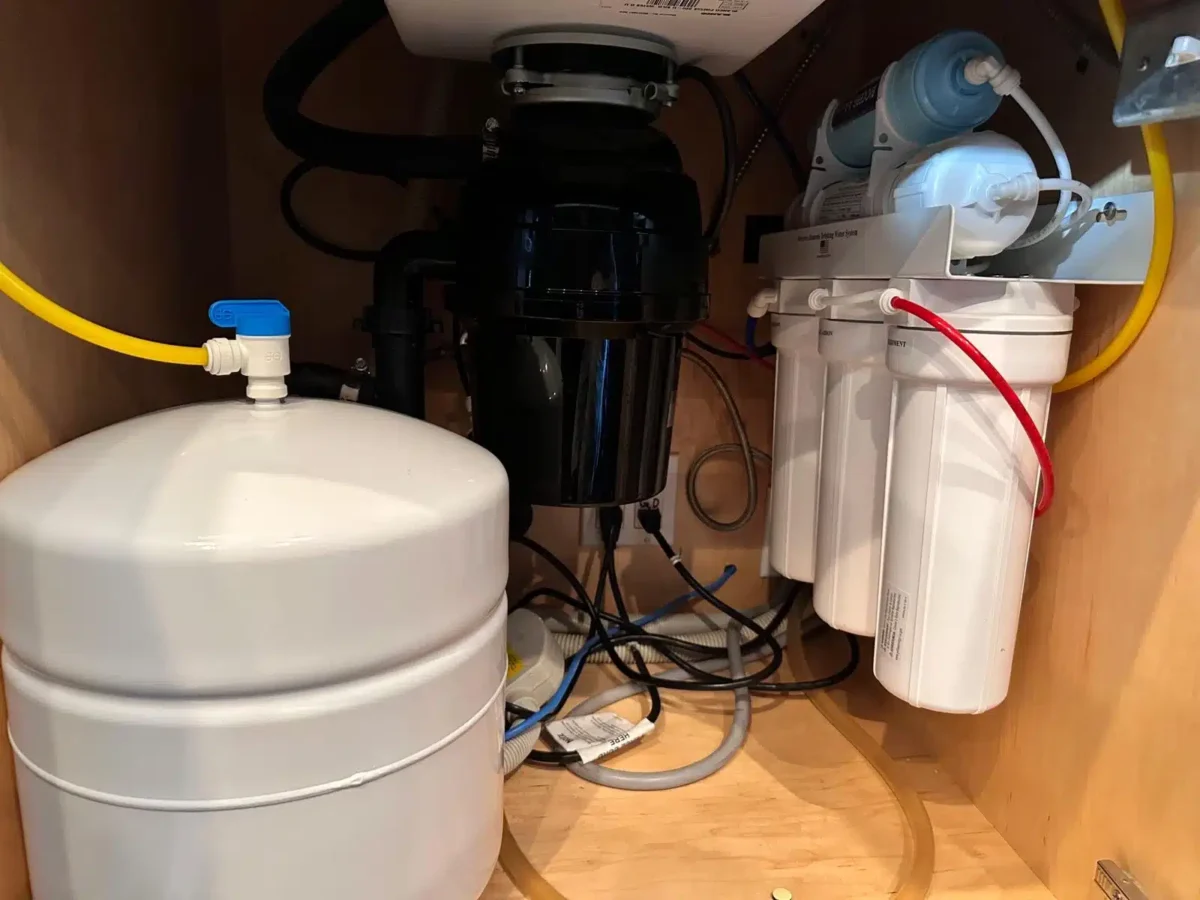
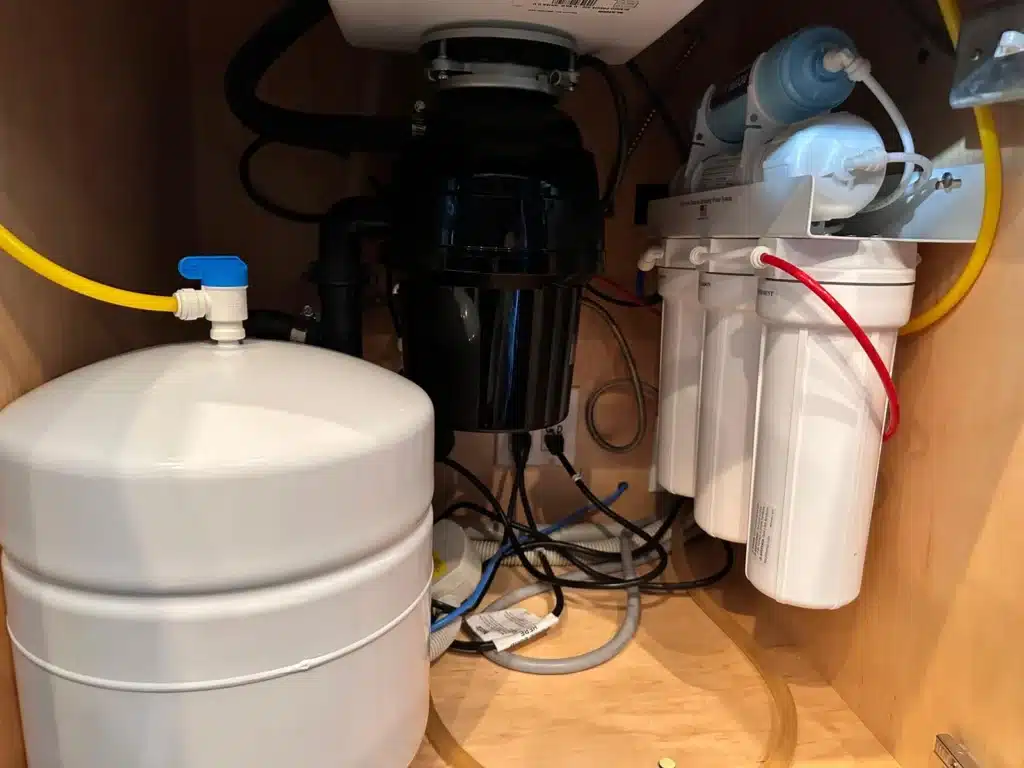
An under sink water filtration system is a sleek, efficient way to enjoy purified water from your kitchen faucet. Installed discreetly under your sink, this system connects directly to your cold water line and filters the water before it reaches your tap. Depending on your chosen model, it delivers filtered water through a dedicated faucet or integrates with your existing tap, providing easy access to clean water for drinking, cooking, or filling up your water bottle.

How It Works

An under sink water filtration system uses a series of filters to purify your tap water. These filters vary by system but commonly include activated carbon, reverse osmosis, or multi-stage options. Here’s how they work:

  1. Activated Carbon Filters: These are excellent for removing chlorine, sediment, and volatile organic compounds (VOCs) that can affect water’s taste and smell.
  2. Reverse Osmosis Filters: This advanced filtration method forces water through a semi-permeable membrane to remove impurities like heavy metals and certain bacteria.
  3. Multi-Stage Systems: A combination of filters targets a broader range of contaminants for optimal purification.

Why It’s an Ideal Choice

  • Compact Design: One of the standout features of a water filtration system under the sink is its space-saving design. Tucked under the sink, it stays out of sight and doesn’t clutter the counters, making it ideal for smaller kitchens or anyone who values a clean, organized space.
  • Ease of Access: Filtered water is always within reach—there is no need to refill pitchers or wait for slow filters to work. Whether filling a water bottle, making coffee, or preparing a meal, clean water flows straight from your tap with minimal effort.
  • Effective Filtration: Under-sink systems provide superior filtration compared to basic faucet filters or water pitchers. They tackle contaminants, from chlorine to heavy metals, ensuring your water is safer, healthier, and better tasting. This makes them a great long-term solution for common water issues like strange odors or sediment.

An under-the-sink water filtration system is a wise, long-term investment that improves water quality without sacrificing convenience or space. If you’re ready to enhance your home’s water quality and make a healthier choice for your family, this solution is worth considering.

Benefits of an Under-Sink Water Filtration System

Undersink water filtration systems come in various types, from simple carbon filters to advanced reverse osmosis setups. While each has unique advantages, they all share common benefits that can improve your daily life:

  • Improved Taste and Odor: Say goodbye to chlorine and weird metallic tastes. These systems remove impurities, leaving your water fresh, clean, and great-tasting. Perfect for everything from drinking to cooking.
  • Healthier Drinking Water: Advanced filtration systems tackle harmful contaminants like lead, pesticides, and bacteria, giving you peace of mind whenever you take a sip. If you’re considering whole-home options as well, this article on the benefits of a whole home water filter offers great insights.
  • Cost-Effective Solution: Tired of spending a fortune on bottled water? With a filtration system, you’ll save money in the long run and have clean water on demand.
  • Eco-Friendly Choice: Avoiding single-use plastic bottles will protect the planet without compromising water quality.
  • Versatility for Cooking and Beverages: Enjoy better-tasting coffee, tea, and meals. Filtered water not only tastes better, but it also enhances the flavors of everything you prepare.
  • Customizable Options: From basic filters to multi-stage systems, you can choose a setup that matches your water quality and household needs.
  • Enhanced Appliance Longevity: Filtered water reduces limescale buildup in appliances like kettles and coffee makers, helping them last longer.
  • Minimal Maintenance Requirements: Most systems only need occasional filter changes, making them incredibly hassle-free.

Investing in a system like this is not only practical but also wise. It’s a long-term upgrade for your health, lifestyle, and wallet. If you’re also curious about the impact of soft water, check out our guide on the 10 advantages of soft water.

Contact Water Filtration System Installation Experts

You deserve clean, safe water, and our experienced plumbers are here to make that happen. We specialize in installing under-sink water filtration systems and water purification setups, offering tailored recommendations based on your water quality, household size, and specific needs. We use advanced tools to ensure every installation is precise and built to last.

We’ll explain the options and provide clear advice so you can make the best decision for your home. Contact Pristine Plumbing today for expert water filtration installation

We also offer custom maintenance schedules to keep your filtration system running smoothly and extend its life and effectiveness. Start enjoying healthier, better-tasting water today. Schedule an appointment to get expert support tailored to your needs.

10 Advantages of Soft Water

Benefits of Water Softener - Pristine Plumbing

If you’re tired of battling hard water stains, dry skin, and constant plumbing issues, consider the advantages of soft water. Soft water offers a simple yet powerful solution that enhances well-being, reduces maintenance chores, and improves daily life. 

By installing a water softener, you can enjoy smoother skin, cleaner clothes, and longer-lasting plumbing, all while saving time and money. It’s a small change that can make a big difference in your home.

Advantages of Soft Water: How Does It Contribute to Your Well-Being?

Switching to soft water isn’t just about cleaner dishes—it’s about improving your home life, health, and finances. When you install a water softener, you’re investing in more than just a convenience. You’re making a wise choice that benefits everything from your plumbing to your personal care routine. 

Let’s explore the advantages of soft water and how it can make life easier and more comfortable at home.

Reduces Scale Buildup

Soft water prevents unsightly mineral deposits from clogging pipes, faucets, and appliances. Over time, hard water can cause blockages and plumbing issues, leading to expensive repairs. But with soft water, scale buildup is a thing of the past, keeping your plumbing clear and your water flowing smoothly.

Improves Cleaning Efficiency

Soft water makes cleaning a breeze. Soap and detergent work more effectively when washing dishes, clothes, or your home’s surfaces. Your laundry will come out brighter and cleaner, your dishes sparkle without streaks, and your countertops will stay spotless. With soft water, you get more out of every drop of cleaner, saving time and money.

Extends Appliance Lifespan

Your dishwasher, washing machine, and water heater are all big-ticket items you rely on daily. Due to mineral buildup, hard water can cause these appliances to wear out faster. Soft water helps prevent this damage, allowing your appliances to run longer and perform better. Extending their lifespan saves you money on expensive repairs or replacements.

Decreases Soap and Detergent Use

Because soft water works so much better with soaps, you’ll need less detergent for the same results. Not only does this save you money on cleaning products, but it’s also better for the environment. Fewer chemicals and detergents mean less waste and less strain on our planet.

Softens Skin and Hair

Hard water can leave your skin dry and your hair feeling brittle. Soft water, however, works wonders for your personal care routine. After each shower, you’ll notice softer, smoother skin and shinier, more manageable hair. One of the most noticeable benefits of water softener systems is the improved daily comfort they provide.

Prevents Laundry Fading and Wear

Soft water is gentle on fabrics, helping preserve the colors and fibers of your clothing. With fewer minerals in the water, your clothes stay brighter and last longer, meaning less fading and fewer replacements.

Enhances Water Heater Efficiency

Scale buildup in water heaters can reduce efficiency, making them work harder and use more energy. Soft water prevents this, keeping your water heater running smoothly, lowering energy bills, and improving performance over time.

Minimizes Spotting on Dishes and Glassware

Say goodbye to those annoying white spots on your dishes and glasses. Soft water eliminates the mineral residues that cause spotting, leaving your glassware sparkling clean without extra scrubbing.

Protects Fixtures and Surfaces

Hard water leaves tough stains on sinks, tubs, and tiles. With soft water, you’ll notice fewer mineral stains on your bathroom and kitchen surfaces. This not only makes cleaning easier, but it also helps preserve the appearance of your home, keeping everything looking new longer.

Reduces Energy Costs

Soft water doesn’t just save you money on soap and detergent—it can also reduce your energy bills. With less mineral buildup in your pipes and appliances, they work more efficiently, using less energy. It’s a small change that adds up over time, making a noticeable difference in your wallet.

How Water Softeners Can Help?

You know how frustrating hard water can be if you’ve ever struggled with limescale buildup on your faucets, dull laundry, or dry skin and hair. These common problems occur because of the high levels of calcium and magnesium in your water. Water softeners help by removing these minerals, transforming hard water into soft water that feels smooth and luxurious. 

Imagine leaving the shower with softer skin and shinier hair or enjoying cleaner dishes with no streaks. Plus, with a water softener, you can rest easy knowing your appliances and plumbing are running more efficiently, saving you money on repairs and maintenance in the long run.

Contact Water Softener Installation Specialists

Pristine Plumbing specializes in solving hard water problems with expert water softener installation and repair. With years of experience in the industry, our licensed plumbers offer personalized water softener solutions tailored to your home’s specific needs, whether based on water hardness levels, household size, or budget. We’ll help you select the perfect water softener system for optimal performance and efficiency.

Our team is committed to providing the highest level of service while complying with all industry safety standards. If you’re ready to enjoy the benefits of soft water in your home, contact Pristine Plumbing for a consultation. Let us provide the best, most efficient solutions for your water-softening needs.