24/7 Emergency Service

Can You Detect a Slab Leak Yourself?

Can You Detect a Slab Leak Yourself - Pristine Plumbing

A slab leak is a plumbing leak that occurs in the pipes that are located underneath the concrete slab of the house. Slab leaks creations occur beneath the concrete foundation and can go unnoticed for a period of time until things get progressively worse. Causes for slab leaks are corrosion to pipes, built-up pressure, abrasion from the hard surface, and roots from trees. Certain signs can lead homeowners to indicate that a slab leak is occurring. By this time, substantial damage can occur resulting in costly repairs. Slab leak detection is an effective way to avoid finding the problem before it’s too late and there are different ways you can try to detect a slab leak.

Increased Water Bills

If you start to notice that your bill is higher than what your water consumption should be, chances are there could be a slab leak. Increased water bill either shows that you are using more water or that there is a leak somewhere in your home. Hence, you need to constantly monitor the amount of water you consume every month so that you are able to notice any slight change in the water bill.

Sound of Water Rushing Behind Your Walls

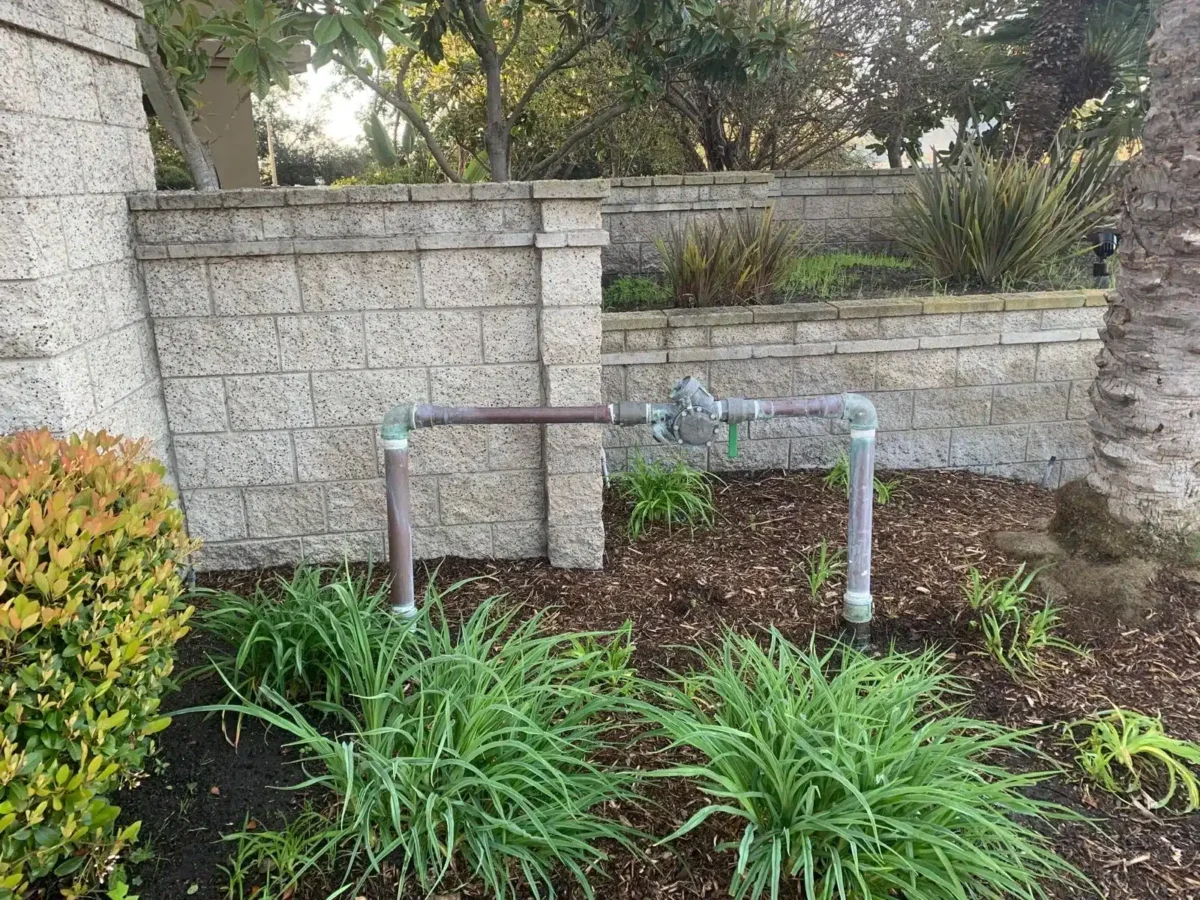
If you hear the sound of running water within your walls, it is a definite sign of a potential slab leak. To figure out whether this is indeed the issue, follow these steps: Firstly, make sure to shut off all faucets and running water sources throughout the house. Take a moment to listen for any sounds emanating from the walls. Additionally, inspect the water meter positioned on the wall. If you observe the meter’s pointer in motion, it indicates an undisclosed source of running water, potentially indicating a slab leak.

Water Pressure is Low

Low water pressure can be attributed to various factors such as water debris, faulty valves, mineral buildup in pipes, and water leaks. If all other potential causes have been ruled out, it is highly likely that a slab leak is responsible for the low water pressure. To identify the specific reason behind the low water pressure, follow these steps: Start by identifying all the water outlets in your house. Run the water from each outlet and observe if any of them exhibit low pressure. If certain locations have consistently low pressure, take note of their characteristics. For example, consider whether these areas are situated near a slab. If a low-pressure water outlet is in close proximity to a slab, it could indicate an under slab leak as the root cause.

Spots on Your Floor & Tile

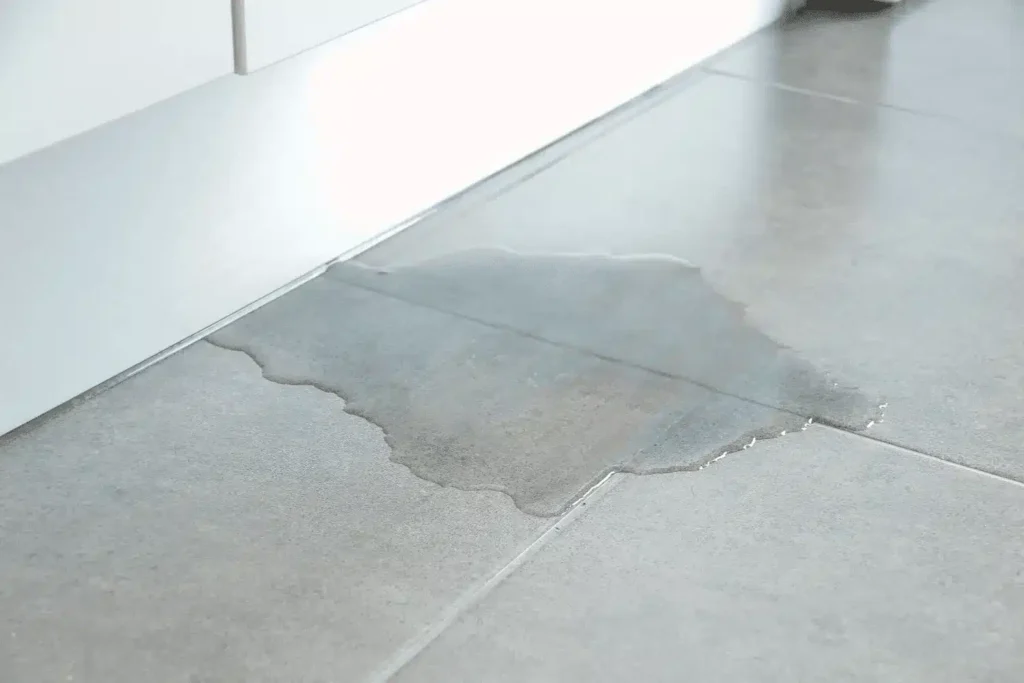
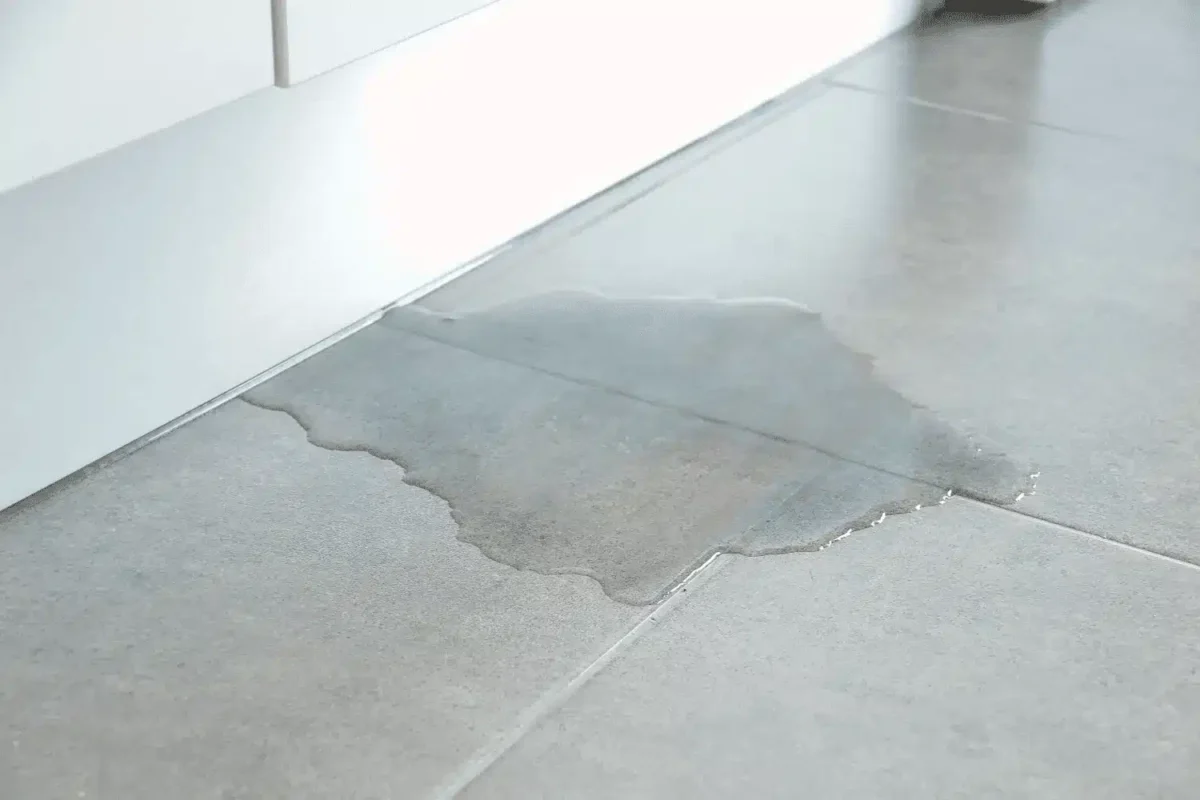
A spot on the floor doesn’t always indicate a simple dry paste that was spilled a few days ago. It could signify a more significant issue like a leaking slab. Spots on the floor suggest that there may be broken or damaged hot water lines beneath the slab. Warm spots are commonly observed because the presence of hot water accelerates corrosion and chemical reactions within the pipes. However, a hot spot on the floor could also indicate a leaking valve in the bathroom sink or shower, located near the slab. While these causes may not be as severe, it is crucial to address them promptly to prevent them from escalating into more catastrophic problems. 

Cracks on Your Walls or the Foundation of Your Home

Cracks and shifting in the foundation can be a direct result of a leaking slab. Over time, water infiltrates the slabs and gradually moves downward until it reaches the foundation. This disrupts the overall stability of the concrete and leads to settlement. As a consequence of this settlement, the foundation experiences movement and cracks due to both the lack of stability and the weight exerted by the structure above. Therefore, it is crucial not to disregard any issues with the foundation, as they can have serious consequences.

Water Leak Test

While it may not be an official “leak detection” method as defined by professional plumbers, there is a simple test you can perform to determine if your house is experiencing hidden water wastage. Start by locating your water meter and noting down its current reading. Next, ensure that all water-consuming appliances are turned off for an hour (preferably when your house is unoccupied to eliminate the possibility of accidental water usage). After the hour has passed, check the water meter again and observe if the reading has increased. If there is an increase in the reading, it is likely that you have a leak somewhere in your plumbing system.

Professional Slab Leak Detection

The detection of an under slab leak can be accomplished through destructive or non-destructive methods. Destructive methods involve the use of tools like shovels and drillers, while non-destructive methods may utilize electromagnetic pipe locators. 

It is important to note that non-destructive tools tend to be more expensive than their destructive counterparts. Therefore, your choice of method will depend on your financial capacity and the desired results.

If you are certain that there is a slab leak, it is advisable to explore your repair options by consulting a professional plumber. Their expertise in leak detection goes beyond simply confirming the presence of leaks; they specialize in identifying the exact locations of these leaks. To accomplish this, licensed plumbers employ advanced equipment, such as ground microphones, listening discs, thermal scanners, and video inspection tools. Pinpointing the precise locations of pipe leaks is crucial for plumbers to carry out repairs while minimizing disruption to your home.

Orange County Slab Leak Services

If you have a slab leak detection in your Orange County home and are in need of professional assistance, don’t hesitate to call the experts at Pristine Plumbing. Call 714-397-5954 to schedule an appointment today!
    How Storms Cause Plumbing Issues

    How Storms Cause Plumbing Issues - Pristine Plumbing

    Heavy rainstorms can wreak havoc on your plumbing system and cause extensive damage to your property. As a homeowner or business owner, it’s essential to understand how storms can cause plumbing issues and know when to rely on professional plumbing services to prevent further damage. Here are four ways storms can cause plumbing problems and how you can rely on Pristine Plumbing to help. 

    • Increased Water Pressure

    Ignoring signs of increased water pressure can lead to burst pipes and expensive repairs. Heavy rainstorms can cause a spike in water pressure that can damage your plumbing system. The added pressure can cause pipes to burst, leading to extensive water damage and costly repairs. If you notice any signs of increased water pressure, like banging or vibrating pipes, contact Pristine Plumbing right away.

    • Leaks

    Storms can cause leaks in your plumbing system by damaging pipes or causing tree roots to invade your pipes. If you notice any water stains on your walls or ceiling or a sudden spike in your water bill, it’s a sign of a leak. Contact Pristine Plumbing to schedule a leak detection service to prevent further damage. 

    • Clogged Drains & Pipes

    Storms can cause debris and dirt to accumulate in your drains and pipes, leading to clogs. Clogged drains can cause sewage backups, which can be hazardous to your health and damage your property. If you notice any slow drains or gurgling sounds coming from your pipes, contact Pristine Plumbing to schedule a drain cleaning service. Regular drain cleaning services with Pristine Plumbing can prevent clogs from occurring and keep your plumbing system running smoothly.

    • Contamination

    Contaminated water can be a severe health hazard and should never be ignored. Storms can cause bacteria and other contaminants to enter your water supply, making it unsafe to drink or use. If you notice any changes in the color, taste, or smell of your water, it’s a sign of contamination. Contact Pristine Plumbing to schedule a water treatment service to ensure your water is safe to use.

    Rely on Pristine Plumbing to Help

    If you’re dealing with any of these plumbing issues due to storms and excessive rain, you can count on Pristine Plumbing ton help. Our team of licensed and experienced plumbers can quickly diagnose and fix any plumbing problem you’re experiencing, ensuring your home or business is safe and comfortable. Don’t wait until it’s too late; call or schedule an appointment with Pristine Plumbing today.

      How to Maintain Your Storm Drain

      How to Maintain your storm drains - Pristine Plumbing

      Storm drains are essential to ensuring your property doesn’t flood in the event of a storm. Keeping up with the maintenance of your storm drain will give you peace of mind when the next rainstorm is around the corner, as this will help your neighborhood drain properly and not cause any damage to your home. Let’s dive into everything you need to know about maintaining your storm drain.

      What are Storm Drains?

      Nearly every street has grated storm drains designed to redirect the flow of water when a rainstorm overtakes a neighborhood. These are necessary to ensure that no flooding takes place and that all of the properties in the area are kept safe. The storm drain closest to you likely has an underground pipe to lead to the main storm drain of your street. 

      What Causes Storm Drain Clogs?

      If you have experienced a rainstorm in your area recently, but your street has been flooded, then your storm drain may be clogged. This can be caused by debris like leaves, dirt, twigs, mud, trash, and other things. If the drain becomes clogged to the point that no water is draining, this is a serious problem for your property, as it could cause water damage to your home.

      Consequences of Storm Drain Clogs

      If the storm drain outside your home clogs, you could experience terrible water damage to your home, resulting in thousands of dollars of damage to repair. Some of the consequences can be water damage, mold damage, basement flooding, landscaping damage, and other issues to deal with. 

      Ways to Clean & Maintain Your Storm Drain

      The easiest way to ensure that your storm drain is always clean is to schedule routine drain cleaning and try to reduce the amount of waste on your property. Here are some tips:

      • Rake up all leaves
      • Pick up pet waste right away
      • Dispose of yard and landscaping debris in a bin or specific container
      • Ensure your trash cans have fitted lids to prevent the trash from ending up on the street

      Pristine Plumbing Can Help You Maintain Your Storm Drain

      If your storm drain is starting to become backed up when it’s raining, or you just notice a lot of debris surrounding the drain, contact Pristine Plumbing immediately. The professionals at Pristine Plumbing can remove the debris and ensure everything will drain smoothly when the next rainstorm hits your neighborhood. Call now or visit our website for more information on how to book an appointment with us today!

        3 Tips For Giving Your Plumbing a “Green” Makeover This St. Patrick’s Day

        Green Plumbing - Pristine Plumbing

        Forget about wearing green this St. Patrick’s Day! With rising water prices and climate change, homeowners should consider how “green” their plumbing systems are and how they can save “green.”

        In this blog, our plumbing experts give a brief overview of three different ways to reduce the environmental impact of any home plumbing system. Saving water is good for the environment and helps homeowners save money on rising utility bills.

        Invest in New Eco-Freindly Appliances

        One of the best ways to give a plumbing system a “green” plumbing makeover is to invest in new eco-friendly appliances and plumbing fixtures. There have been many modern advancements in plumbing to make new environmentally-friendly appliances much more efficient than their older counterparts. 

        Water-saving appliances include low-flow showerheads, which reduce the amount of water used during the shower without sacrificing water pressure. There are also eco-friendly toilets that use less water to flush, low water flow sink faucets, and eco-friendly washing machines to consider investing in. 

        Another eco-friendly appliance installation that homeowners should consider this year is a new touchless faucet. Touchless faucets help homeowners save water by automatically shutting off the water flow when not in use. They also help to prevent the spread of germs, bacteria, and viruses via the faucet handle while washing dirty hands.

        “Green” Plumbing Rules to Follow to Save Water

        In addition to installing green appliances, homeowners should do their part to prevent wasting water and money. Eco-friendly habits include being mindful of water conservation and not using an unnecessary amount of water from the plumbing for bathing and cleaning.  

        It is recommended to take short showers instead of long showers or baths to save the most water. Turning off the water while shaving or shampooing hair can help prevent wasting water in the shower. Homeowners should also turn off the faucet whenever possible when doing the dishes and other cleaning tasks. 

        Do Not Flush Trash in the Toilet or Drains

        Some people get into the bad habit of dropping trash into the toilet and flushing it, but this is terrible for the environment. A general rule of eco-friendly plumbing habits is never to use the toilet as a trash can to dispose of solid waste items. Homeowners should only ever flush toilet paper down the toilet to be safe. 

        Not only can flushing the wrong things cause a toilet clog and waste water, but it can also damage the environment if chemicals and inorganic materials make their way into the main water line. Wastewater may eventually lead into the ocean, meaning toxic waste such as pharmaceuticals could make its way there and harm ocean life. 

        About Pristine Plumbing, Inc.

        Pristine Plumbing, Inc. is a team of fully licensed, professional plumbers serving their community with plumbing installations, repairs, and maintenance. They offer straightforward pricing and 24-hour service so homeowners can have peace of mind when plumbing issues arise. Call them today for plumbing services in Irvine, CA.

        What Do I Need to Install a Sump Pump?

        What Do I Need to Install a Sump Pump - Pristine Plumbing

        When heavy rainfall occurs, your home is at risk of water damage. A sump pump can help alleviate those worries. Sump pumps provide a simple solution to keep water from damaging your basement or foundation.

        What is a Sump Pump?

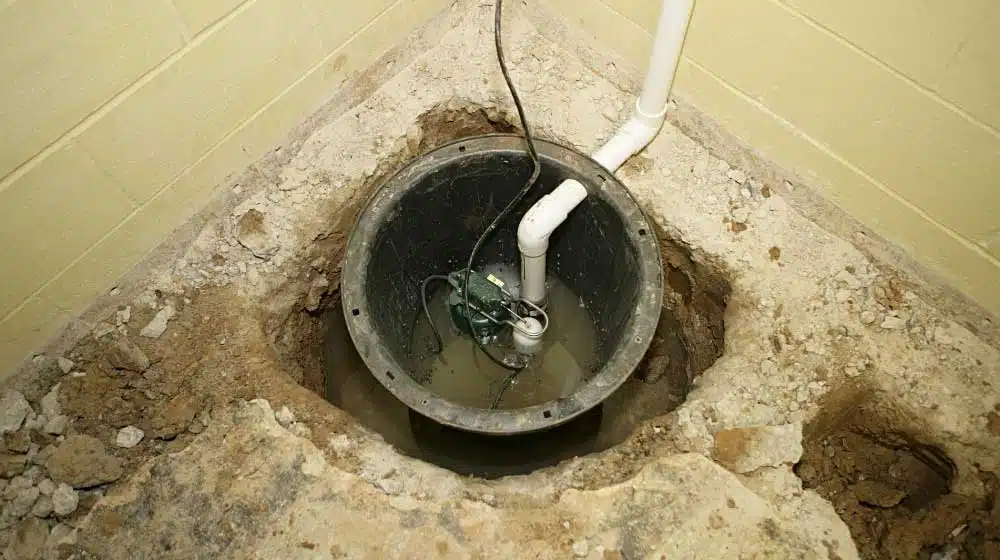
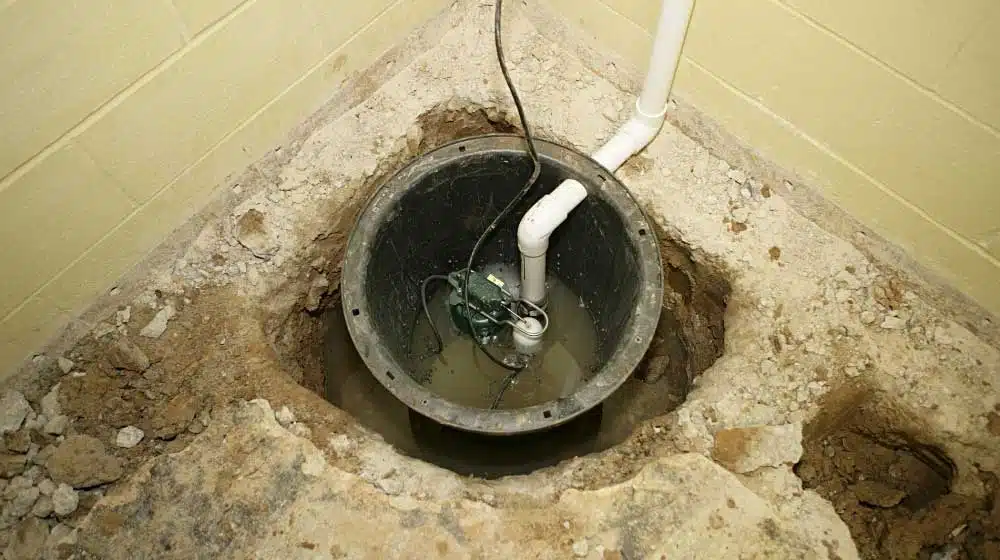
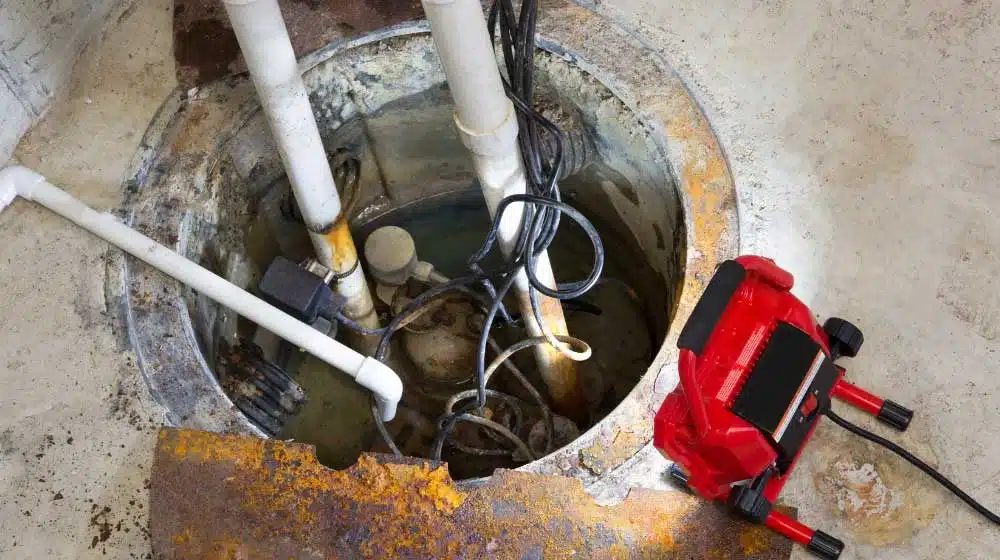
        A sump pump is a motor unit installed in the basement or foundation of your home. It has water-sensing valves that can help pump water out of the basement and move it to another location, like the side of your house or a designated draining system. Sump pumps are usually placed in a basin below the floor to collect water at the lowest point of your home, then remove it. 

        Do I Need a Sump Pump?

        If you live in an area that gets heavy rainfall or is prone to flooding and has poor drainage systems in place, then a sump pump could be a great investment for your home. Unattended water can cause serious damage to your home and the structural integrity of its foundation. This could cause mold growth, warp your baseboards, and weaken your home through rotting and cracks. Overall, a sump pump can end up saving you money and the hassle of dealing with all of these things by preventing them in the first place.

        How Much Does a Sump Pump Cost?

        Installing a sump pump can be pricey, but the amount of money it can save you makes this a worthwhile investment. Typically, you can expect to pay around $1,000-1,500 for the unit and professional installation. For just the unit, you can expect to pay around $300.

        Can You Install Your Own Sump Pump?

        While it can be done, we don’t advise making a sump pump installation a do-it-yourself project. If your sump pump is installed incorrectly, or installed in the wrong location, the resulting cost of fixing this mistake will double what would have been your original installation cost with a professional. This is a project that is best saved for the professionals. Furthermore, a professional plumber will be able to recommend the best type of sump pump for your home’s needs, which can be hard to decipher on your own.

        Services with Pristine

        If you’re located in the Orange County area, the professionals at Pristine Plumbing have got you covered for all things related to sump pump installation. Our team of experts know exactly what you need to get through heavy storms without experiencing any water damage. Visit our website to learn more about our services and how we can help you today!

          The Pros and Cons of Hydro Jetting

          Have a slow-draining sink, clogged drain, or other issues with a build-up in your pipes? Hydro jetting may be the best solution for you. Let’s dive into the pros and cons of hydro jetting to help you decide if this is right for you.

          What is Hydro Jetting?

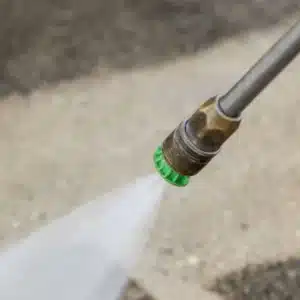
          Hydro jetting is utilizing highly pressurized water to remove grime and build-up in your pipes. This method can break down tough sludge stuck in your pipes and help water run smoothly again. Essentially, this shoots water through your pipes at such a high pressure that it can clear away nearly any obstructions.

          The Process of Hydro Jetting

          If you hire a professional plumber to clear out your pipes, they will use a hose connected to a machine to create intense water pressure. But, before they start the process they will conduct a video inspection to check out the condition of your home’s piping system. If the pipes are old, this method will not work, as the pressure can break pipes if they are structurally unsound. If your pipes are in good condition, then the plumber will continue with their plan to hydro jet the grime away. A professional plumber will know the perfect amount of pressure to apply in order to remove the sludge without damaging the pipes. It’s essential to work with an experienced plumber when committing to hydro jetting, as it can cause severe damage if done incorrectly. 

          What Are the Pros and Cons of Hydro Jetting

          Pros:

          • It unclogs everything, as opposed to a snake drain that may only offer a temporary solution.
          • It is non-invasive, meaning no ground has to be broken in order for this to work.
          • It is safe, especially if you are working with an experienced contractor.
          • It is environmentally friendly since there are no harsh chemicals involved; this is a sustainable solution to clogged pipes.

          Cons:

          • It can damage old pipes.
          • It is not a project that can be DIY’ed. You will need a professional to perform hydro jetting.
          • It uses an excessive amount of water.

          Services with Pristine Plumbing

          If you suspect that your pipes are clogged up, or it’s been a long time since you know your pipes have been thoroughly cleaned, then it may be time to call in a plumber to hydro jet your plumbing system. In the greater Orange County area, call Pristine Plumbers to get the job done right. The plumbing experts at Pristine can handle any situation with care.

            How Does a Sump Pump Work?

             How does Sump Pump Work - Pristine Plumbing

            A sump pump helps remove water from the lowest point of your house by pumping it to a drainage system outside your house. This helps prevent severe damage to your home from pooled water sitting for long periods of time. 

            What Sump Pump Do You Need?

            The different types of sump pumps are submersible, pedestal, battery-operated, water-powered, and combination. It’s important to select a sump pump that fits your house’s specific needs. Each different type of sump pump comes in variations with varying levels of horsepower, so it’s essential to choose one that has the adequate horsepower for the size of your home, but not too much that it overwhelms your electricity bill.

            Types of Sump Pump Switches

            There are multiple types of sump pumps that operate in different ways, but for sump pumps that operate on a switch system, here’s how it works. A switch allows the pump to be turned on without someone manually pressing a button, but there are different switches for different purposes. Let’s dive into it.

            1. Pressure Switch: This type automatically senses the amount of pressure from the water, then triggers the pump to turn on.
            2. Vertical Float Switch: This type is a magnet that slides up and down on a rod depending on the level of water. When the float rises, the pump turns on. When the float goes down, the pump switches off.
            3. Tethered Float Switch: This switch floats in the pump basin. It turns on when the float cannot float any higher which tugs on the tether, then an electrical signal is sent to activate the water removal pump. Conversely, if the float is too low, it will turn off the pump.
            4. Electronic Switch: This type automatically senses the water levels in the basin and switches on when it reaches a certain height.
            5. Diaphragm Switch: This switch flips out as the pressure rises, and flips in when the pressure lowers in order to get the water pumped out.

            Pristine Plumbing

            If you are having trouble deciding which sump pump would be best for your home, call in the professionals at Pristine Plumbing to help you understand what would work best for your house. Visit our website or call to schedule an appointment today

              What is a Sump Pump?`

              What is a Sump Pump - Pristine Plumbing

              In an emergency or major flood, preventing water from entering your home and pooling up at your house’s lowest point is difficult. Regardless of preventative measures taken, there will likely be water left over from floods or heavy storm periods that pools in your basement. This is where a sump pump comes in to save the day. A sump pump is specifically designed to protect your home from possible structural damage in the event of a flood or major storm. 

              What is a sump pump?

              A sump pump is a device that removes water from your home, specifically from the basement. It displaces the water to the outside of your home to reduce the risk of damages caused by still water. The sump pump is installed in a sump, a hole naturally constructed beneath the main surface of your basement floor. The sump pump is placed into this pit in the ground and is equipped with valves that evaluate the water levels or differences in pressure. If water levels get too high, the sump pump will automatically start removing water from the basement and pump it to the outside of the home. The discharge line that connects the sump pump to a specific draining area outside is called an effluent.

              Types of Sump Pumps

              There are five types of sump pumps: pedestal sump pumps, submersible sump pumps, battery backup sump pumps, and combination sump pumps. They each accomplish the same overall goal, but let’s dive into the other features that they offer and why you should each one.

              Pedestal Sump Pump

              This is usually the cheapest sump pump option available. It is also the most common type of sump pump. It’s built with a motor mounted high on a rod to keep it dry, which also makes it simple for repairs to be made. These sump pumps are typically long and skinny, which makes for the perfect sump pump in some pits that wouldn’t fit a traditional-sized pump.

              Submersible Sump Pumps

              This type of sump pump is fully underwater at the base of a sump pump pit. The motor on this type of pump is fully wrapped in a waterproof casing. This option tends to be more expensive at the point of purchase but usually lasts longer than its counterparts, which makes it more cost-effective in the long run.

              Battery Backup Sump Pump

              This is a great type of pump to have in case of an emergency. If your power goes out during a rainstorm, this battery-powered pump can help keep your basement dry for over 12 hours. 

              Combination Sump Pump

              This type of sump pump is a traditional pump, with a backup battery-powered sump pump included. This helps keep your pump running during an emergency. This backup pump can also kick in when the primary pump is overwhelmed by water, which can make water drain much faster than with a traditional pump alone.

              Water-Powered Backup Sump Pump

              This type of pump clears out excess water by increasing water pressure. Essentially, there’s no need for electricity, which is great in case of an emergency power outage. However, some areas do not allow for this type of sump pump because the use of additional water can be wasteful.

              Pristine Plumbing

              If you’re looking to replace your sump pump or install a new one, look no further than the professionals at Pristine Plumbing. They have all the knowledge and experience needed to help you decipher the perfect sump pump for your home or business. Reach out today!

                How Hydro Jetting Works

                How Hydro Jetting Works - Pristine Plumbing

                Do you experience slow drains and recurring clogs in your home? This can be a frustrating situation, but beyond causing daily annoyances, this can also contribute to sewer backups and ultimately contaminate your water supply. If this is a constant problem in your house, there are practical solutions to eradicate the issue, like hydro jetting. Let’s dive into everything you need to know about hydro jetting.

                What is Hydro Jetting?

                Hydro jetting removes debris from pipes and clears out blockages through the use of high-pressure water jets. This is a non-invasive plumbing solution that can help unclog plumbing systems without removing any piping. In order to receive this service, a plumber will conduct an inspection on your home. Once they find the ideal spot to insert the hose, they can start the process of hydro jetting your pipes. Hydro jetting hoses can shoot out 20 gallons of water a minute, which can force the debris through the pipes and into the sewer system. This method is extremely successful and works very well, regardless of whether the pipe has grease or mineral build-up. 

                When is Hydro Jetting Necessary?

                Plumbers will opt for hydro jetting if the plumbing system has constant clogs and slow drainage. Since this issue can contaminate your whole house’s water supply if the sewer is backed up for long enough, it would be an important time to utilize hydro jetting to clear out the entire system. If you have drains that are consistently clogged and create a smelly situation when they are backed up, you might need hydro jetting. Plumbers can inspect the situation and create a plan of action. 

                Risks of Hydro Jetting

                Hydro jetting when not necessary can ruin the plumbing system in place, so it’s important to work with a professional plumber to assess the damage and decide if hydro jetting is right for your plumbing problem. If your home’s pipes have a root infestation, then hydro jetting might further damage the pipes and create a larger issue. In addition, if the pipe’s waterproof coating is damaged, then hydro jetting can cause further damage. Because of these risks, it is imperative to hire a professional plumbing company to assess the situation before taking action. 

                Pristine Plumbing

                If your home has severe clogging, it’s time to call in professional plumbers to perform a full inspection of your plumbing system. If you’re located in Orange County, call the reliable team at Pristine Plumbing to help get the job done. Visit our website or call now to schedule a visit right away.

                  Tips to select a quality water filter


                  Is Hard Water Affecting Your Home - Pristine Plumbing

                  Why is it essential to select a high-quality water filter? Well, the short answer is to maintain the health of the people in your home. All water from every sink or faucet in your home will come through a filter, so it’s imperative that your filter is actually filtering out the bad stuff, and allowing your family to have access to clean, safe water for all their water needs. 

                  Tap water can contain unhealthy chemicals, heavy metals, and pesticides. Thankfully, these harmful contaminants can be removed from your home with a high-quality water filter.

                  First of all, decide if you would like to filter your drinking water only, or filter all contaminants from the water that runs throughout your entire home. This will help you narrow down the filters you should look into. 

                  How does your water become contaminated?

                  Not all water companies comply with the Environmental Protection Agency’s requirements, and the EPA does not regulate every possible contaminant that could end up in your water. So, what can increase the chances of your home’s water having harmful contaminants in it? A multitude of factors can go into this, such as your home’s proximity to the industrial plants, where your water is sourced, the age of plumbing fixtures in your home, and storm runoff entering the sewer system.

                  Common Contaminants

                  Some common types of contaminants are:

                  • Lead
                  • PFAS
                  • Arsenic
                  • Fluoride
                  • Pathogens
                  • Perchlorates
                  • Pharmaceuticals
                  • Household cleaners
                  • Radioactive materials

                  In order to know which types of contaminants are in your water supply, you can purchase an at-home water testing kit, or hire a plumber to come and test your water for you.

                  Types of Filters

                  Here are 5 types of filters you might opt for to remove these contaminants from your home:

                  1. Shower Filter – mainly eliminates chlorine from your water system to reduce the effects on your skin while showering
                  2. Refrigerator Water Filter – eliminates contaminants that come through your refrigerator water dispenser and ice maker
                  3. Faucet Water Filter – eliminates contaminants from exiting the faucet head, the most inexpensive option
                  4. Under-Sink Water Filter – eliminates contaminants from sink faucets through an under-sink installation
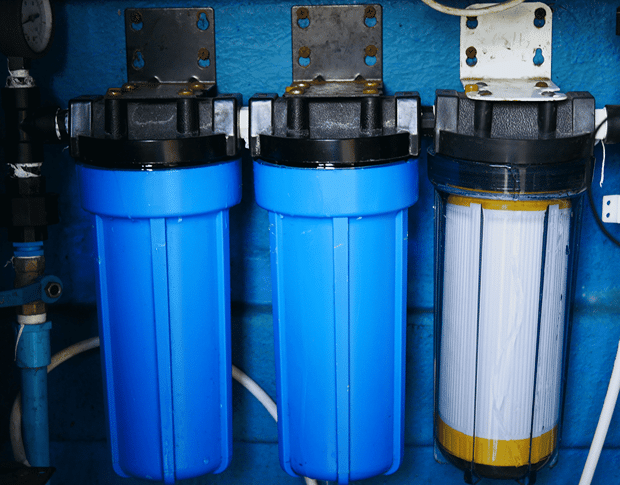
                  5. Whole House Water Filter – eliminates contaminants throughout the entire house in one filtration system

                  Pristine Plumbing

                  Got questions about how to choose which water filter is right for your home? Reach out to the professional team at Pristine Plumbing to help you pick out the perfect solution for your house.