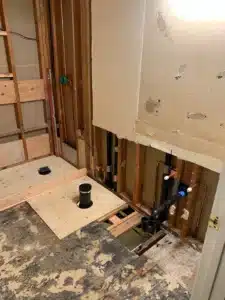
Slab leaks can be every homeowners worst nightmare, since they can be hard to detect leak before damage is done. Once you recognize any signs, you need to act quickly, as these slab leaks can cause a lot of damage very quickly.
What is a Slab Leak?
A slab is the concrete foundation which most houses are built on. Typically, there are water pipes and sewer lines running underneath the concrete slab. If one of these lines bursts or has a crack in it, it can result in a slab leak. This type of damage needs to be addressed immediately, as it can cause a huge amount of damage in a short period of time.
How Common are Slab Leaks?
Homes that are built with copper or galvanized steel pipes are more prone to slab leaks since these types of pipes are prone to corrosion. This is particularly common for older homes. Also, slab leaks are more likely to occur after an earthquake or soil erosion.
Signs of a Slab Leak
Here are a few signs that you may have a slab leak:
Damp smell
Heaving foundation
Low water pressure
Uneven growth in garden plants
Dampness in walls, floors, and ceilings
Unexplainable increase in water or heating bills
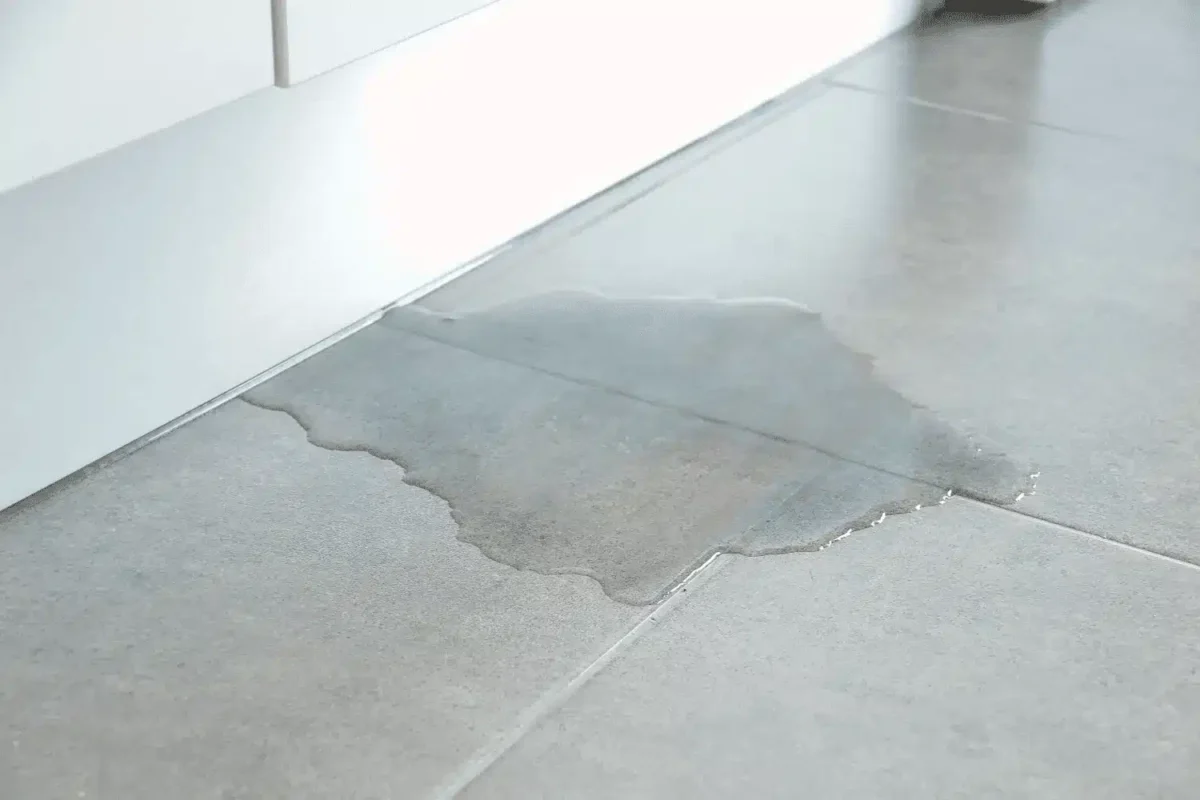
Water puddles along the perimeter of the house
Running water meter when all appliances are turned off
Water stains, warm spots, or raised “dome” in your floor/carpeting
How to Fix a Slab Leak
It is important to hire a professional team of plumbers to check out your slab leak. This is the specific order of key steps that the plumber will go through:
Find the specific leak location. The plumber will utilize special equipment to pinpoint the exact location of the of the leak.
Find the best solution. Next, the plumber and their team will give you a few options depending on the severity of your situation.
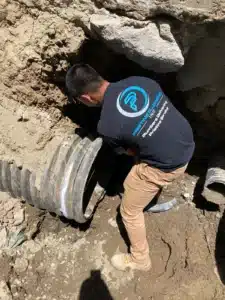
Remove the concrete slab. Once the plumber finds the exact location of the leak, and comes up with the best solution, they will need to rip up the concrete slab to fix it.
Once these steps are complete, the plumber and their team will work on and complete the project, then you will be all set.
Services with Pristine Plumbing
If you’re located in Orange County, then reach out to the professionals at Pristine Plumbing to help you fix your slab leak with no issues. You can trust our reliable and skilled team of professionals to help you complete any project or fix any issues with ease. We’re available 24/7, so call now for services, or if you are concerned that you might have a slab leak.
Are you experiencing a slow-draining sink or shower drain? Lucky for you, some items you probably have lying around can help dissolve the clog in your pipes and make things flow smoothly again in no time! Let’s dive into the pros and cons of using baking soda and white vinegar to help clean your drains!
Can You Clean a Drain With Baking Soda and Vinegar?
The answer is yes, you can use baking soda and vinegar to clean a clogged drain out. Baking soda, sodium bicarbonate, is a common kitchen item that works well to break down mineral deposits and grease. This makes it an excellent household cleaning agent to have on hand. When baking soda combines with distilled white vinegar, the reaction can help move clogs through your pipes and get water to flow freely again.
How to Clean a Drain With Baking Soda and Vinegar
Let’s break down how to use baking soda and distilled white vinegar to clean out your drains:
Boil water (or heat it up in the microwave)
Pour the hot water down the drain with a bit of grease-fighting dish soap
Pour one cup of baking soda down the drain
Pour one cup of distilled white vinegar down the drain
Wait until the fizzing stops
Pour more hot water down the drain to flush everything out
If your drain isn’t flowing smoothly after this cleaning session, keep reading to find out what to do next.
Should You Clean a Drain With Baking Soda and Vinegar?
The baking soda and vinegar solution may be effective in breaking down some clogs, but if used too often, this chemical reaction can have negative effects on your drain system. Baking soda has a naturally abrasive nature, which can over time, wear down your pipes. If you’re dealing with clogs, baking soda and vinegar drain cleaning solutions are helpful. But if the problem becomes too consistent, it’s best to seek professional help to avoid potentially depleting your pipes.
Services at Pristine Plumbing
If you are looking for an alternative solution to clean out your drains, or the baking soda and vinegar failed to fully remove the clog, call the professionals a Pristine Plumbing. Servicing all of Orange County, Pristine Plumbing is available to clean out your drains and remove clogs. Call now to set up an appointment or visit our website.
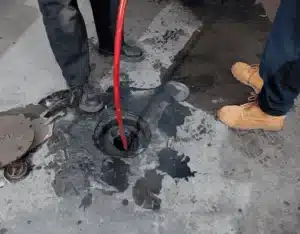
If you are experiencing a slow draining or clogged drain, it may be time to use a drain snake. Most slow-draining issues are caused by soft debris like a build-up of hair and soap. With a drain snake, the clog can be snagged up and removed easily.
What is a drain snake?
A drain snake is a metal cable wrapped into a protective drum used to dislodge clogs. This can be manually unraveled into a drain or unraveled with a drill. As the cable uncoils into the drain, it can snag the clog or push it through.
When do you use a drain snake?
Use a snake drain when your shower, tub, or sink drain starts draining slowly or not at all. This type of clog is typically caused by hair buildup or soap residue. If you have already tried using chemicals or a plastic snake and it didn’t solve the clog, then it is probably time to use a drain snake.
How do you use a drain snake?
If you are working with a sink drain, remove the p-trap before beginning. If you are working with a tub or shower drain, remove the drain cover.
Start by manually extending the cable of the drain snake into the drain pipe by using the screw to release the coil.
Once you feel the obstruction, tighten the thumbscrew to snag the clog.
Remove the cable slowly to retrieve the clog.
Repeat this process until you feel the drain is cleared.
Replace the drain cover or p-trap and test the drain.
Clean the cable in the drain snake before retracting it and storing away, otherwise, it will become rusted.
When to call a professional & Pristine Plumbings services
If you suspect this is the issue you’re having, but you don’t have access to a drain snake, it’s probably time to call a plumber. If you’re in the Orange County area, call the professionals at Pristine Plumbing to help remove the clog in your drain.
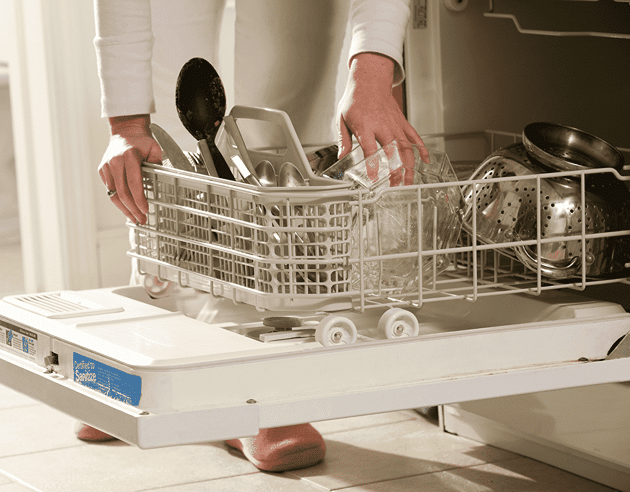
Is there always a pool of water at the base of your dishwasher? This is a surefire indicator that you have a leak in your dishwasher. Worry not, most leaks can be fixed swiftly at the hands of a professional. Some issues can even be resolved by a simple tightening of a loose pipe, which you might be able to do on your own. Keep reading for all the information you need to know about leaky dishwashers.
Causes of Dishwasher Leaks and Solutions
Let’s get to the bottom of what causes dishwasher leaks in the first place. To figure this out, let’s specify where the leak is coming from.
If you have a leaky dishwasher tub, you might have worn a hole in the bottom of the main compartment from general wear and tear. Some detergents can corrode the bottom of the tub and cause a puddle of water to form at the base of your dishwasher. This will likely require the hands of a professional.
If you have a leaky dishwasher door, you might have a hole somewhere in the actual door. If this is the case, you’ll probably be able to trace the water back to the origin hole. The door latch could also be the source. Both of these will need to be replaced to be fixed.
If you have a foaming leak, you might have used the wrong dishwasher detergent. Regular dish soap is not intended to be used for dishwashers and can cause serious issues and leaks if used.
Most of these issues can be fixed with a quick visit from a professional plumber. The most important thing to keep in mind post-leak is to ensure all areas that become wet are dried out completely to prevent molding and further issues.
Most people have had to deal with a hair-clogged shower drain. It’s nearly impossible to avoid getting any hair down the shower drain, so here is some information on how to clean hair out of your shower drain.
First of all, you may think to reach for the harsh chemicals that you can buy at your local store, like Draino, but more often than not, these harsh chemicals can damage your own health and lead to the corrosion of your pipes. Try these other methods instead.
1. Hair Snake
This is a long piece of plastic that has barbs on it—commonly referred to as a drain snake. You’ll put this into your drain and (hopefully) pull out most, if not all, of the clump of hair that’s causing the clog. A drain snake is a great way to avoid harsh chemicals and get the job done in just a few minutes.
2. Baking Soda
Instead of opting for a harsh combination of chemicals that you’ll find in store-bought products, you can utilize baking soda for a similar effect without putting your family at risk of ingesting harsh chemicals for weeks. Here’s how to do it:
Pour one cup of baking soda down the clogged tub drain.
Pour one cup of vinegar down the drain.
Let the mixture fizz up for about 6 minutes.
Pour two quarts of boiling water down the drain.
Test your drain. If it’s not working properly, you can repeat these steps again. If the clog is extra stubborn, try letting the mixture fizz up overnight.
3. Tweezer
If you can easily access the portion of the pipe or drain that has the clog, you can try to manually remove the clog with plumber tweezers. Throw some rubber gloves on and start pulling the clogged hair out.
4. Auger
An auger is a plumbing tool used for trickier clogs. You might have one at home, or need to call in a plumber to handle this job.
5. Plunger
If you’ve exhausted most of your options, using a plunger can loosen up the hair clog. Just run the faucet and place the plunger over the top of the drain. Seal the plunger completely and plunge the drain. For best results, use a cup plunger, as opposed to a flange plunger that has an extra seal lining the inside.
Broken sewer pipes can come out of nowhere, despite preventative measures being in place beforehand. Eventually, regular wear and tear can cause sewer pipes to crack and break. Here’s everything you need to know about sewer pipe repair so that you can always look out for the signs of a broken sewer system and act fast to prevent further plumbing issues from occurring.
Signs of a Broken Sewer Pipe
Here are some signs to look out for:
Mold
Mildew
Slow drains
Soggy lawn
Broken slabs
Recurring clogs
Cracks in the walls
Abnormal foul odors
Insect or rodent infestation
If you are experiencing any of these signs, you likely have a broken sewer pipe that needs attention immediately. Professional plumbers can handle this job, but it can be hard to gauge how much a project like this could cost. Let’s dive into the logistics.
Factors that Affect Broken Sewer Pipe Repair Cost
1. Type of Piping
Typically, common materials used in traditional sewer pipes include PEX or copper. PEX is a type of plastic that can conserve energy since it has heat retaining properties. Traditional broken sewer pipe repair will cost between $50-$200 per square foot.
2. Removing Pipes
Sometimes with broken sewer pipes, you might have to remove the current pipes and replace them. This can drastically increase the cost, since you might have to hammer through and remove drywall as well.
3. Size of the Damage
The smaller the area that needs to be replaced, the lower the cost will be. If the area is less than 10 feet, you might be able to keep costs under $5,000. If you need a full sewer line replacement, the cost may climb up to $30,000 or more.
Does Insurance Cover the Damages?
If you have homeowner’s insurance, you might qualify for coverage, but it depends. Usually, they will evaluate the damages based on the cause of the broken sewer pipe. If there is an issue due to lack of regular maintenance, your insurance may not cover it. But, if there is an accident, they will likely cover the costs. This will depend on the specific type of insurance that you have.
Determining the Costs
Dealing with broken sewer pipes can be stressful especially when considering the unspecified costs. So how much does it cost to repair a busted pipe? When looking at the signs of a broken sewer pipe and the factors that are involved with repairing it, an estimated range may still be difficult to determine until a technician has properly assessed the project.
If you are in need of repair on your broken sewer pipe, or you suspect that there might be an underlying issue, call the professionals at Pristine Plumbing to help you out! In the Orange County area, Pristine Plumbing is available 24/7 to service your home and help with all plumbing needs. Call for a free inspection today!
A slab leak is simply a leak that occurs in the copper pipes underneath the concrete slab of a house’s foundation. This could range from a small break, causing just a few excess drips of water, to a major crack in the piping. The reason you need to attend to a slab leak as soon as you suspect that you may have one is that this can cause huge problems for the foundation of your home if left unattended. Over time, even the smallest slab leak can turn into a huge mess of damaged floors, walls, and much more.
How common are slab leaks?
In areas that have mostly older homes built on concrete foundation slabs, slab leaks are very common. However, most of the cities in the U.S. have mainly concrete slabs, so this is a concern for most homeowners. Especially in places where earthquakes are very common, like in California, it’s important to do regular inspections. Earthquakes can cause breaks in concrete and pipes running under homes, which causes slab leaks. Plumbers can do slab leak detection with professional equipment. If you’re wondering whether you can detect a slab leak yourself, check out our full guide: Can You Detect a Slab Leak Yourself?
How Serious Is a Slab Leak?
A slab leak is a serious plumbing problem that should never be ignored. If left unaddressed, it can lead to extensive water damage, mold growth, and even compromise the structural integrity of your home’s foundation. In severe cases, a slab leak can cause your foundation to crack or collapse.
Beyond physical damage, slab leaks also result in high water bills and wasted resources. That’s why it’s important to act quickly. If you notice signs like damp flooring, low water pressure, or unexplained water usage, contact a professional plumber immediately.
Early detection using slab leak detection with professional equipment is the best way to minimize damage and repair costs.
Signs You Have a Slab Leak
Now that you understand the severity of a slab leak, let’s dive into signs to look out for.
Damp floorboards
Unexplainable high water bill
Unusually low water pressure
Mildew in carpeting or flooring
Moldy smell throughout house
Water meter moving when pipes are not in use
Sound of water running in the house when pipes are not in use
If you start to see any of these signs in your home, call a trusted plumbing company to come and perform an inspection. In the Orange County area, Pristine Plumbing is available 24/7 to service your home and help with all plumbing needs. Call for a free inspection today!
So, your toilet is clogged. Not the most ideal situation, we know. But, the good news is that this common plumbing issue can be easily solved in a number of ways (even without a plunger!). Let’s dive into why your toilet is clogged, and how you can fix it with common household items if you don’t have access to a plunger.
Reasons For a Clogged Toilet
A clogged toilet is a very common plumbing problem. Here are a few possible causes for your toilet clogging.
1. Your toilet is too low-flow.
Low-flow toilets can save you a lot of money by using less water than a normal toilet. However, there are some negative side effects, such as the possibility that not enough water will be pushed through the pipes. This can cause waste to clog, as the flush doesn’t have enough power to fully clear the toilet. This issue is particularly common in low-flow toilets from 1994-1997, as they were the first generation and had especially low power. So, how do you unclog a low-flow toilet? If you’re dealing with a clogged toilet in Orange County, read on for some helpful tips on how to unclog your low-flow toilet.
2. Your drain line is clogged.
Sometimes, the entire drain line is clogged and backs all the way up to your toilet. This can be caused by flushing anything besides toilet paper and waste down the toilet, including feminine hygiene products, hair, paper towels, or other foreign objects. The toilet system is not equipped to handle these other objects, so they can become lodged in the piping and cause a backup.
3. Your tank doesn’t have enough water.
If the toilet’s tank doesn’t have enough water, then there won’t be enough water pressure to entirely clear the toilet bowl. This can result in a clogged toilet. Oftentimes, the supply valve is propped open so the tank isn’t filling up properly.
4. Your pipes have hard water build-up.
In Southern California, hard water is a common problem. Hard water can calcify and form a white substance around the inner edges of your pipes, narrowing the space that water and waste has to flow through your pipes. The harder your water, the more minerals will gather through your plumbing system and the more likely it is that your toilet clogs.
5. You’re flushing “flushable” wipes.
Unlike they are advertised, wipes are never flushable. It may seem like it is okay to flush wipes down the toilet, but this is never recommended. Throw these wipes in the trash to avoid them clogging your toilet regularly. These “flushable” wipes can easily cause a major backup and ruin your pipes.
6. Your s-trap is clogged.
The s-shaped pipe behind your toilet leading into the wall is there to prevent rancid sewer smells from entering your home. This is extremely useful to prevent sewer gasses in your household, but its unique shape can cause clogs easily.
7. Your plumbing system has a blockage.
Sometimes, your toilet may become clogged due to a blockage somewhere else in your home’s plumbing system. Because all your water-carrying pipes are connected, a blockage from your washing machine can cause issues in your bathroom. The pipes that lie outside of your home can also have clogs or blockage that result in a clogged toilet.
8. Your septic system is slow.
If you have a slow-moving septic system, or a system that is stalling and not turning over quickly enough, this can cause a toilet to clog. It’s essential to the health of your plumbing system that you maintain a healthy septic system, with a proper balance to get your drains flowing.
9. Your pipes are old.
One of the most common reasons that people have plumbing problems is that they have old pipes in place. If a pipe collapses or corrodes, this can create problems throughout your entire house, including your toilet. Sometimes, a recurring clogged toilet is a sign of a much bigger problem.
How to Unclog a Toilet
Now that we’ve reviewed most of the possible reasons why your toilet could be clogged, let’s dive into how you can unclog your toilet.
1. Plunger
Perhaps the most obvious solution is to use a plunger. To use a plunger, simply create a seal in your toilet bowl with the edge of the rubber plunger, and push down. Repeat this process until the water flows freely down the drain.
Now, if you don’t have a plunger, there are a few other ways you can unclog your toilet with common household items. Let’s dive into them.
2. Dish Soap
The first solution to help unclog the toilet is to pour about a half-cup of dish soap into the toilet. This will help lubricate the clogged pipe and allow whatever is lodged in the pipe to smoothly slide down the pipe.
3. Hot Water
After trying dish soap, you can try to add a bucket of hot bath water to the toilet bowl. Note that adding boiling water might crack the toilet bowl, so it’s best to run the bath until it is hot and use that water. Pour the bucket from waist level so that the force of water can dislodge the clog.
4. Wire Hanger
Sometimes, a more intense backup could require you to manually push the item. If you don’t have a drain snake, you can make a DIY one by unraveling a wire hanger and pushing it into the pipe.
5. Baking Soda
Instead of using dish soap, you can also use baking soda and vinegar. Pour one cup of baking soda with two cups of vinegar into the toilet. Let the mixture fizz for half an hour, then pour hot (not boiling) into the toilet bowl.
6. Plastic Bottle
Start this one by removing as much water from the toilet bowl as possible. Next, fill the biggest plastic water bottle that you have access to with warm water. Then, put on some rubber gloves and place your thumb over the top of the bottle and fit the tip into the outlet at the bottom of the toilet bowl. Remove your thumb and squeeze the bottle so the water inside shoots down the pipe.
Unclogging a Toilet: Tips
1. Don’t use chemicals
There are a lot of products on the market that claim they can provide a quick-fix to your plumbing problems. However, we advise you to stay away from any chemical-based quick-fixes. These often will make the problem worse, or cause issues by a lingering chemical reaction in your pipes. If you already used chemicals and it didn’t work, put as much water into the toilet as you can and let it sit overnight to drain. In the morning, plunge using goggles and gloves to avoid any chemicals from touching your skin.
2. Don’t pour any hardening liquids in the toilet
Only pour liquids that are going to remain in liquid form into the toilet. Do not pour any hardening materials, like grease, caulk, wax, or any other materials down the toilet drain. This will cause huge problems and is a surefire way to cause a clogged toilet.
3. Do try to keep the toilet cover down
Keeping the toilet cover down can prevent clogs because it can prevent unwanted substances from entering the toilet in the first place. Especially if you have little kids or animals, try your hardest to keep the toilet cover closed. This can prevent dog toys, crayons, hairbrushes, and anything else from clogging your pipes.
Services at Pristine Plumbing
If these solutions are not helping your clogged toilet, or you suspect that there is a larger issue at hand, call in the professionals to check everything out for you. Pristine Plumbing is available to help you 24/7, so call today!
Noticing that your bathroom sink isn’t draining as quickly as it used to in the middle of brushing your teeth isn’t the most ideal way to start the day. But, the good news is that a clogged bathroom sink is an extremely common problem that can likely be fixed with an at-home remedy. If that doesn’t work, a speedy and professional Pristine Plumber is always just a call away to help you get that sink draining smoothly in no time!
Reasons for a clogged bathroom sink
There are four main reasons why your bathroom sink can become clogged. Narrowing down a reason for why your sink is clogged will help you figure out how to get it unclogged. Here are the main culprits of a clogged bathroom sink:
Hair
When hair gets caught in your drain, it often gets tangled and stuck to the walls of the pipe. This causes everything else to get caught in the buildup, and ultimately produces a clogged sink. In order to fix this problem, you’ll need a zip-it drain cleaning tool which can pull out the clump of hair. You could also use long tweezers to reach into the drain and pull out the hair blockage.
Soap Scum
When chemicals in soap react with calcium and magnesium ions present in the tap water, it forms a chalky substance that clings to the sides of the pipe walls and builds up over time. This substance is particularly prominent in places that have hard water. To help ease the issue, pour a pot of boiling hot water down the drain, or use baking soda and vinegar to help loosen the built-up soap particles. If neither of these work, you can plunge with warm water.
P-trap
The p-trap is the curving pipe beneath your bathroom sink that connects to the wall pipe. This prevents harmful sewer gasses from entering your bathroom. However, it is common for things to get lodged or stuck in this curvature. Thankfully, this section of the sink is easily removable. Watch for any old water when removing the pipe, but then simply scrub the p-trap section and replace to fix this clog.
Damaged Pipes
Sometimes, the issue is just that the pipes are old and need to be replaced. Over time, natural circumstances like rust, corrosion, and other common damages can lead to a slowed drain or a clog. The only solution for this issue is to replace the pipe. You can plunge or snake the drain for temporary relief.
How to unclog a bathroom sink
If you’ve tried the above solutions, and it’s just not working out, here are a few other solutions that might help. Try these methods in order.
Baking soda & vinegar
Unscrew the drain cover and remove the stopper.
Sprinkle ¼ cup of baking soda down the drain.
Pour 1 & ¼ cup of white vinegar down the drain.
Let it sit for 20 minutes. Wait for the fizzing to stop.
Slowly pour hot water down the drain to rinse.
Repeat this process up to three times.
Remove hair
Unscrew the drain cover and remove the stopper.
Use a flashlight to look into the drain.
If you can see hair clumps, then utilize a long tweezer to remove it.
If you cannot see any hair, then use a zip-it tool to remove the hair.
Only push the tool as far as it will go without excess force.
Repeat as necessary, then rinse with hot water.
Plunge
Unscrew the drain cover and remove the stopper.
Add about an inch of water to the sink.
Center the plunger over the drain and create an airtight seal to work with.
Pump the plunger up and down several times.
Test the drain, and repeat if necessary.
Pristine Plumbing
Some bathroom problems can be fixed within a matter of minutes using things you have at home already. But, if the at-home remedies don’t seem to be doing the trick then you may need professional assistance. Call Pristine Plumbing to get professional help 24/7. Pristine Plumbing will have your drain flowing smoothly in no time!
Simply put, hard water is water with a high mineral count, particularly magnesium and calcium. These minerals accumulate on the inside of pipes, fixtures, and appliances, slowly building up until they reach the point of causing plumbing problems.
These mineral deposits, also called scale buildup, can impair plumbing performance, cause damage, and shorten the life of the hot water tank, pipes, appliances, and fixtures. In other words, untreated hard water can cost a homeowner a lot of money in repair and replacement costs if not properly addressed. These hard water problems are preventable by installing a whole-home water softener. In this blog, plumbing experts discuss hard water, why it is a problem, what a water softener is, and how it can help solve those problems.
The Water Softening Process
A water softener is a filtration system that removes minerals from incoming water via a process known as ion exchange. The water passes through a bed of plastic resin beads that are negatively charged with a sodium ion. The minerals are positively charged and attach themselves to the resin beads. In other words, whole home water softeners strip the hardness from the water entering the home.
A water softener is not just another expense. It is a smart investment that can pay for itself because it prevents problems and unnecessary repair and replacement costs caused by hard water.
Signals of Hard Water
There are several ways to tell if a home has hard water:
Spots on dishes and glasses after washing
No lather when showering
No suds in the washing machine
Dull, stiff clothes that are not fully clean
Loss of water pressure
The water heater has to work harder, increasing utility costs
Mineral buildup on plumbing fixtures – showerheads, faucets, dishwashers
Dry or itchy skin
Dry hair
Odd-tasting or smelling water
There are several ways to tell if a home has hard water:
Spots on dishes and glasses after washing
Spots on dishes and glasses after washing
No lather when showering
No suds in the washing machine
Dull, stiff clothes that are not fully clean
Loss of water pressure
The water heater has to work harder, increasing utility costs
Mineral buildup on plumbing fixtures – showerheads, faucets, dishwashers
Dry or itchy skin
Dry hair
Odd-tasting or smelling water
Why Is the Investment Worth It?
A whole home water softener is not a luxury but a necessity in areas where hard water is a problem. Homeowners who opt for a water softener installation can reap many benefits, including:


 Slab leaks can be every homeowners worst nightmare, since they can be hard to detect leak before damage is done. Once you recognize any signs, you need to act quickly, as these slab leaks can cause a lot of damage very quickly.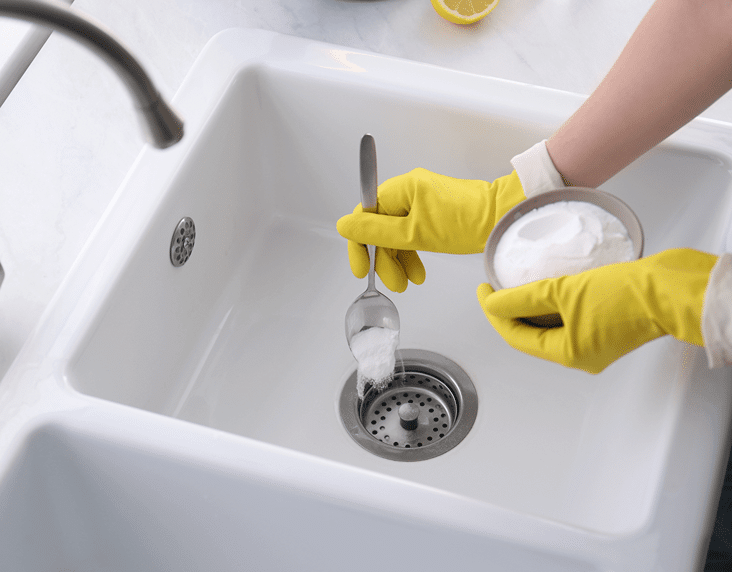
 Are you experiencing a slow-draining sink or shower drain? Lucky for you, some items you probably have lying around can help dissolve the clog in your pipes and make things flow smoothly again in no time! Let’s dive into the pros and cons of using baking soda and white vinegar to help clean your drains!
 If you are experiencing a slow draining or clogged drain, it may be time to use a drain snake. Most